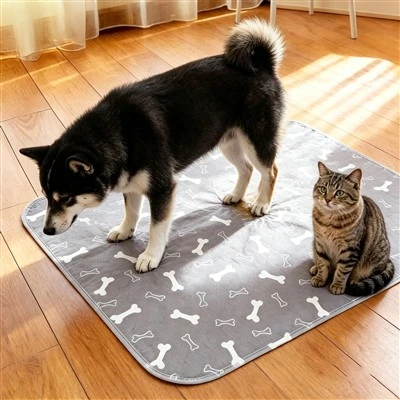
As a supplier of underpads, I often encounter questions from customers about the reusability of these products. This blog post aims to explore this topic in depth, providing you with scientific and practical information to help you make an informed decision.
Understanding Underpads
Underpads, also known as chux pads or bed pads, are absorbent pads used to protect surfaces such as beds, chairs, and wheelchairs from moisture and stains. They are commonly used by individuals with incontinence, the elderly, or those recovering from surgery. Underpads come in various types, including disposable and reusable options.
Disposable Underpads
Disposable underpads are designed for single - use. They are convenient and hygienic, as they can be easily discarded after use. These pads are typically made of a combination of absorbent materials such as cellulose fluff pulp and superabsorbent polymers, which quickly lock in moisture. However, the constant use of disposable underpads can be costly over time and also contribute to environmental waste.
Reusable Underpads
Reusable underpads, on the other hand, are made to be washed and used multiple times. They are usually constructed from durable materials such as cotton, polyester, or a blend of both. Some reusable underpads also have a waterproof backing to prevent leakage onto the surface below. These pads offer several advantages, including cost - savings in the long run and reduced environmental impact.
Factors Affecting Reusability
Material Quality
The quality of the material used in the underpad is a crucial factor in determining its reusability. High - quality fabrics are more likely to withstand multiple washings without losing their absorbency or structural integrity. For example, underpads made from a thick, tightly woven cotton blend are generally more durable than those made from a thin, low - quality polyester.
Absorbency
Over time, the absorbency of a reusable underpad may decrease with repeated washings. This is because the fibers in the absorbent layer can become compressed or damaged. However, proper washing and drying techniques can help maintain the pad's absorbency. Look for Reusable Underpads that are specifically designed to retain their absorbency even after multiple uses.


Waterproof Backing
If the underpad has a waterproof backing, its reusability also depends on the durability of this layer. A high - quality waterproof backing should not crack, peel, or lose its waterproof properties after washing. Waterproof Underpads with a strong and flexible waterproof layer can be used repeatedly without leakage issues.
Benefits of Reusable Underpads
Cost - Effective
Although the initial cost of reusable underpads may be higher than disposable ones, they can save you money in the long term. Instead of constantly buying new disposable pads, you can simply wash and reuse the same pads. This is especially beneficial for long - term users or those on a budget.
Environmental Friendly
The use of reusable underpads helps reduce the amount of waste sent to landfills. Disposable underpads contribute to a significant amount of non - biodegradable waste, while reusable pads can be used for months or even years, minimizing their environmental impact.
Comfort
Many people find reusable underpads more comfortable to use. Natural materials like cotton are soft against the skin and allow for better air circulation, reducing the risk of skin irritation and discomfort.
How to Wash and Care for Reusable Underpads
Pre - Treatment
Before washing, it is important to pre - treat any stains on the underpad. You can soak the pad in a mixture of water and a mild detergent for about 15 - 20 minutes. For stubborn stains, you may use a stain remover specifically designed for fabric.
Washing
Use a gentle cycle on your washing machine and a mild, fragrance - free detergent. Avoid using bleach or fabric softeners, as they can damage the fibers and reduce the pad's absorbency. Wash the underpads separately from other items to prevent cross - contamination.
Drying
Tumble dry the underpads on a low - heat setting or air - dry them. High heat can damage the fabric and the waterproof backing. Once dry, check the pad for any signs of damage or wear and tear.
When to Replace Reusable Underpads
Even with proper care, reusable underpads will eventually need to be replaced. Signs that it's time to replace an underpad include:
- A significant decrease in absorbency
- Tears or holes in the fabric
- A damaged waterproof backing that no longer prevents leakage
- Persistent odors that cannot be removed through washing
Conclusion
In conclusion, underpads can indeed be reusable, offering a cost - effective, environmentally friendly, and comfortable alternative to disposable options. As a supplier, we offer a wide range of Washable Underpads that are designed to meet your specific needs. Whether you are a caregiver, a user, or a facility manager, our reusable underpads are a reliable choice.
If you are interested in purchasing our high - quality reusable underpads, we invite you to contact us for more information and to discuss your procurement needs. We are committed to providing you with the best products and services at competitive prices.
References
- Smith, J. (2020). The Environmental Impact of Disposable and Reusable Medical Products. Journal of Sustainable Healthcare, 15(2), 78 - 85.
- Johnson, A. (2019). Absorbency Testing of Reusable Underpads After Multiple Wash Cycles. International Journal of Hygiene and Environmental Health, 220, 345 - 352.