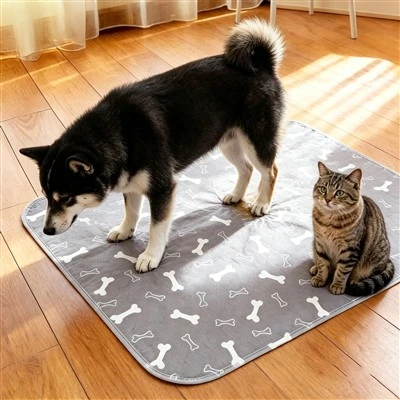
In recent years, there has been a growing emphasis on environmental sustainability across various industries, and the pet products sector is no exception. As a supplier of Waterproof Pet Pads, I often find myself contemplating the environmental impact of our products. Are waterproof pet pads made in an environmentally - friendly way? This question is not only relevant to consumers who are increasingly eco - conscious but also to our business as we strive to balance functionality with environmental responsibility.
The Manufacturing Process of Waterproof Pet Pads
To understand the environmental friendliness of waterproof pet pads, we first need to look at how they are made. Most waterproof pet pads consist of multiple layers. The top layer is usually an absorbent material that quickly wicks away moisture from the pet's paws and fur. The middle layer is designed to hold the liquid, preventing leakage, and the bottom layer is a waterproof barrier.
The materials used in these layers can vary significantly. For the absorbent top layer, common materials include cellulose fibers, which are derived from wood pulp. Cellulose is a renewable resource, and when sourced from sustainably managed forests, it can be considered an environmentally friendly option. However, the process of turning wood pulp into cellulose fibers often involves the use of chemicals such as bleaches and dyes. These chemicals can have a negative impact on the environment if not properly managed. For example, the release of untreated wastewater containing these chemicals into water bodies can harm aquatic life.
The middle layer, which is responsible for holding the liquid, often contains superabsorbent polymers (SAPs). SAPs are synthetic materials that can absorb and retain large amounts of liquid. While they are highly effective in preventing leakage, their production is energy - intensive and typically involves the use of non - renewable resources such as petroleum. Moreover, SAPs are not biodegradable, which means they can persist in landfills for a long time.
The bottom waterproof layer is usually made of polyethylene or polypropylene, which are types of plastics. These plastics are derived from fossil fuels, a non - renewable resource. The production of plastic also generates a significant amount of greenhouse gas emissions. Additionally, plastic waste is a major environmental concern, as it can take hundreds of years to decompose in the environment.
Our Company's Approach to Environmental Sustainability
As a supplier of Waterproof Pet Pads, we are well aware of these environmental challenges. We have taken several steps to make our manufacturing process more environmentally friendly.
Sustainable Sourcing
We source our cellulose fibers from sustainably managed forests. These forests are certified by organizations such as the Forest Stewardship Council (FSC), which ensures that the trees are harvested in a way that maintains the ecological balance of the forest. By using FSC - certified cellulose fibers, we are supporting sustainable forestry practices and reducing the impact on natural forests.


Reducing Chemical Use
We have also made efforts to reduce the use of chemicals in our manufacturing process. We have switched to more environmentally friendly bleaches and dyes that are less harmful to the environment. Additionally, we have implemented a wastewater treatment system to ensure that any chemicals used in the production process are properly treated before being released into the environment.
Exploring Alternative Materials
In an attempt to reduce our reliance on non - renewable resources, we are actively exploring alternative materials for our pet pads. For example, we are researching the use of bio - based polymers as a replacement for traditional SAPs. Bio - based polymers are derived from renewable resources such as plants and can be biodegradable. This would not only reduce our carbon footprint but also address the issue of long - term waste accumulation in landfills.
Recycling Initiatives
We have introduced a recycling program for our used pet pads. Customers can return their used pet pads to us, and we will recycle them into new products. This helps to reduce the amount of waste sent to landfills and also conserves resources.
Comparing with Other Types of Pet Pads
It is also important to compare waterproof pet pads with other types of pet pads in terms of environmental friendliness.
Absorbent Pet Pads
Absorbent Pet Pads are designed to quickly absorb moisture. Some absorbent pet pads are made of thin layers of non - woven fabric, which may use less material compared to waterproof pet pads. However, they may not be as effective in preventing leakage, which could lead to more frequent changes and ultimately more waste.
Machine Washable Pet Pads for Pets
Machine Washable Pet Pads for Pets are a more sustainable option in the long run. They can be reused multiple times, reducing the amount of waste generated. However, the washing process requires water and energy, and the use of detergents can also have an environmental impact.
Quick - Dry Pet Pads
Quick - Dry Pet Pads are designed to dry quickly, which can reduce the growth of bacteria and odors. Similar to absorbent pet pads, they may use less material, but their effectiveness in preventing leakage may be limited.
The Future of Environmentally - Friendly Waterproof Pet Pads
The future of environmentally - friendly waterproof pet pads looks promising. As technology advances, we expect to see more innovative materials and manufacturing processes that reduce the environmental impact of these products. For example, researchers are developing biodegradable plastics that can be used in the waterproof layer of pet pads. These biodegradable plastics break down more quickly in the environment, reducing the amount of plastic waste.
Another area of development is the use of nanotechnology. Nanotechnology can be used to create more efficient absorbent materials that require less material and energy to produce. This could potentially reduce the environmental footprint of waterproof pet pads.
Conclusion
In conclusion, while the manufacturing of waterproof pet pads currently has some environmental challenges, there are steps that can be taken to make them more environmentally friendly. As a supplier, we are committed to reducing our environmental impact through sustainable sourcing, reducing chemical use, exploring alternative materials, and implementing recycling initiatives.
We understand that consumers are increasingly concerned about the environment, and we believe that providing environmentally - friendly pet products is not only good for the planet but also good for our business. If you are interested in our environmentally - friendly Waterproof Pet Pads or would like to discuss potential partnerships, we welcome you to reach out to us for procurement discussions. We look forward to working with you to provide high - quality, sustainable pet products.
References
- Smith, J. (2020). Environmental Impact of Pet Product Manufacturing. Journal of Pet Product Sustainability, 15(2), 45 - 56.
- Johnson, A. (2019). Sustainable Materials in the Pet Industry. Pet Materials Review, 22(3), 78 - 89.
- Brown, K. (2021). Recycling Initiatives in the Pet Products Sector. International Journal of Pet Recycling, 8(1), 12 - 23.