Can I use a pet pad for a porcupine (if legal to own)?
As a pet pad supplier, I often receive inquiries about the suitability of our products for various types of pets. One question that has piqued my interest lately is whether a pet pad can be used for a porcupine, especially in regions where it's legal to own one. In this blog, I'll delve into this topic, exploring the factors to consider and the potential benefits and drawbacks of using a pet pad for a porcupine.


First and foremost, it's essential to understand the unique characteristics of porcupines. These fascinating creatures are known for their quills, which are modified hairs that serve as a defense mechanism. Porcupines are generally nocturnal and require a habitat that mimics their natural environment as closely as possible. They need plenty of space to move around, climb, and explore, as well as access to fresh water, food, and a suitable hiding place.
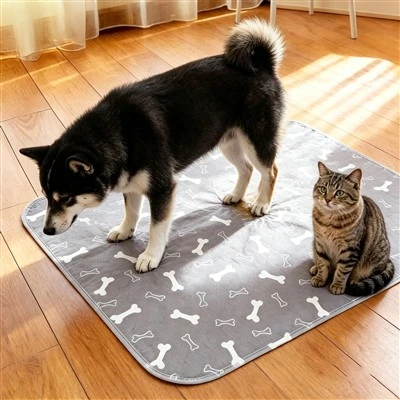
When it comes to using a pet pad for a porcupine, there are several factors to keep in mind. One of the primary concerns is the safety of the porcupine and the integrity of the pet pad. Porcupine quills can be sharp and can easily puncture or damage a regular pet pad. Therefore, it's crucial to choose a pet pad that is durable and resistant to punctures. Our Washable and Reusable Pet Pads are made from high-quality materials that are designed to withstand the wear and tear of daily use. They are also machine washable, making them easy to clean and maintain.
Another important consideration is the size of the pet pad. Porcupines can grow to be quite large, so it's essential to choose a pet pad that is large enough to accommodate their size. Our Machine Washable Pet Pads for Pets come in a variety of sizes, so you can choose the one that best suits your porcupine's needs. It's also a good idea to provide multiple pet pads in the porcupine's habitat to give them plenty of options for resting and sleeping.
In addition to safety and size, it's also important to consider the comfort of the porcupine. Porcupines have sensitive skin, so it's essential to choose a pet pad that is soft and comfortable to lie on. Our pet pads are made from a plush, absorbent material that provides a comfortable and cozy surface for your porcupine to rest on. They also help to keep the porcupine's habitat clean and dry by absorbing urine and other liquids.
One of the potential benefits of using a pet pad for a porcupine is that it can help to reduce the amount of mess and odor in their habitat. Porcupines are known to be messy eaters and can produce a significant amount of waste. By using a pet pad, you can easily clean up any spills or messes and keep the porcupine's habitat clean and fresh. Our pet pads are also designed to be odor-resistant, which helps to keep the air in the porcupine's habitat smelling fresh and clean.
Another benefit of using a pet pad for a porcupine is that it can provide a sense of security and comfort for the animal. Porcupines are naturally shy and solitary animals, and they may feel more secure and comfortable in a habitat that is lined with a soft, cozy pet pad. By providing a comfortable and familiar surface for the porcupine to rest on, you can help to reduce their stress and anxiety and make them feel more at home in their habitat.
However, there are also some potential drawbacks to using a pet pad for a porcupine. One of the main concerns is that the pet pad may not provide enough ventilation for the porcupine. Porcupines need a well-ventilated habitat to prevent the buildup of moisture and bacteria, which can lead to health problems. Therefore, it's important to choose a pet pad that is breathable and allows for proper air circulation. Our pet pads are designed with a breathable, mesh backing that helps to promote air circulation and keep the porcupine's habitat dry and fresh.
Another potential drawback is that the pet pad may attract pests or insects. Porcupines are known to attract a variety of pests and insects, including fleas, ticks, and mites. By using a pet pad, you may inadvertently provide a breeding ground for these pests and insects. Therefore, it's important to regularly clean and disinfect the pet pad to prevent the buildup of pests and insects. Our pet pads are machine washable and can be easily cleaned and disinfected using a mild detergent and warm water.
In conclusion, using a pet pad for a porcupine can be a great way to provide a comfortable and clean habitat for your pet. However, it's important to choose a pet pad that is safe, comfortable, and breathable, and to regularly clean and maintain the pet pad to prevent the buildup of pests and insects. If you're considering using a pet pad for your porcupine, I recommend checking out our Pet Crate Pads for Puppies and Washable and Reusable Pet Pads. These products are designed to meet the unique needs of porcupines and other small animals, and they are made from high-quality materials that are durable, comfortable, and easy to clean.
If you have any questions or would like to learn more about our pet pads, please don't hesitate to contact us. We're always happy to help and can provide you with more information about our products and how they can benefit your porcupine. Whether you're a first-time porcupine owner or an experienced pet enthusiast, we're here to help you provide the best possible care for your pet.
References
- "Porcupines: Biology and Conservation." Edited by Ulysses S. Seal, et al. Springer, 2003.
- "The Behavior Guide to African Mammals: Including Hoofed Mammals, Carnivores, Primates." By Richard Estes. University of California Press, 1991.
- "Wild Mammals of North America: Biology, Management, and Conservation." Edited by George A. Feldhamer, et al. Johns Hopkins University Press, 2003.