


When it comes to operating a pet rehabilitation center, every decision regarding the care and comfort of the animals in your charge is crucial. One often-overlooked aspect is the choice of bedding and padding. As a supplier of Quick - Dry Pet Pads, I am frequently asked whether these pads are suitable for use in a pet rehabilitation center. In this blog post, I will explore the benefits and considerations of using Quick - Dry Pet Pads in such an environment.
The Importance of Quality Bedding in Pet Rehabilitation Centers
Pet rehabilitation centers are places where animals are on the road to recovery. Whether they are recuperating from surgery, dealing with chronic pain, or undergoing physical therapy, the right bedding can significantly impact their well - being. Good bedding provides comfort, support, and helps maintain a clean and hygienic environment.
Animals in rehabilitation may have limited mobility, which means they spend a significant amount of time lying down. A soft and supportive surface can prevent pressure sores and promote better blood circulation. Additionally, since many rehabilitating pets may have urinary or fecal incontinence issues, the bedding must be able to handle moisture effectively.
Features of Quick - Dry Pet Pads
Quick - Dry Pet Pads are designed with several features that make them potentially suitable for pet rehabilitation centers.

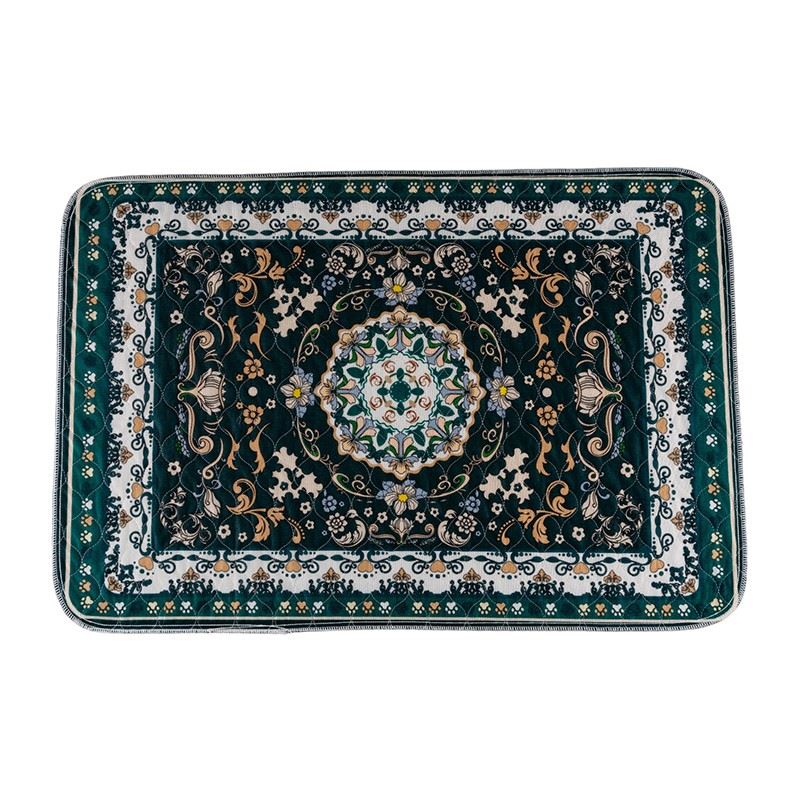
Fast Absorbency
One of the most important features of Quick - Dry Pet Pads is their ability to absorb liquid quickly. When a pet urinates on the pad, the liquid is rapidly drawn into the absorbent core, leaving the surface relatively dry. This is crucial in a rehabilitation center, as a wet surface can lead to skin irritation, infections, and an unpleasant odor. By keeping the pet dry, the pads help prevent these issues and keep the animals more comfortable.
Leak - Proof Design
Most Quick - Dry Pet Pads come with a waterproof backing. This prevents the liquid from seeping through to the underlying surface, such as the floor of the kennel or the bedding below. This is especially important in a rehabilitation center, where you want to keep the environment clean and prevent the spread of bacteria. You can find more information about Waterproof Backing Pet Pads on our website.
Washable and Reusable
Many of our Quick - Dry Pet Pads are Washable Pet Pads. This is a cost - effective and environmentally friendly option for a pet rehabilitation center. Instead of constantly buying disposable pads, you can simply wash and reuse them. This not only saves money in the long run but also reduces waste.
Soft and Comfortable
The top layer of Quick - Dry Pet Pads is usually made of a soft, non - irritating material. This is important for pets in rehabilitation, as their skin may be more sensitive due to their medical conditions. The soft surface provides a comfortable place for the pets to rest, which can aid in their recovery.
Considerations When Using Quick - Dry Pet Pads in a Pet Rehabilitation Center
While Quick - Dry Pet Pads offer many benefits, there are also some considerations to keep in mind.
Size and Fit
It is important to choose the right size of pads for the kennels or recovery areas in the rehabilitation center. Pads that are too small may not provide adequate coverage, while pads that are too large can be cumbersome and may bunch up, creating an uneven surface.
Durability
In a busy rehabilitation center, the pads will be used frequently and may be subject to more wear and tear. You need to ensure that the pads are durable enough to withstand regular use and washing. Look for pads with strong stitching and high - quality materials.
Compatibility with Medical Conditions
Some pets in rehabilitation may have specific medical conditions that require special bedding. For example, pets with open wounds or skin allergies may need a more specialized type of pad. It is important to consult with the veterinarians and staff at the rehabilitation center to ensure that the Quick - Dry Pet Pads are suitable for all the animals.
Case Studies: Quick - Dry Pet Pads in Pet Rehabilitation Centers
To illustrate the effectiveness of Quick - Dry Pet Pads in pet rehabilitation centers, let's look at a few case studies.
Case Study 1: A Small - Scale Rehabilitation Center
A small - scale pet rehabilitation center in a rural area started using our Quick - Dry Pet Pads. Before that, they were using traditional disposable pads, which were expensive and not very effective at keeping the pets dry. After switching to our pads, they noticed a significant improvement in the cleanliness of the kennels and the comfort of the animals. The fast - drying feature meant that the pets were less likely to develop skin problems, and the washable nature of the pads saved them a lot of money in the long run.
Case Study 2: A Large - Scale Veterinary Rehabilitation Hospital
A large - scale veterinary rehabilitation hospital with a high volume of patients also adopted our Quick - Dry Pet Pads. They were initially skeptical about the pads' ability to handle the large amount of urine and feces from the animals. However, after a trial period, they found that the pads performed extremely well. The waterproof backing prevented any leakage onto the floors, and the soft surface provided a comfortable resting place for the pets. The hospital also appreciated the environmental benefits of using washable pads.
Conclusion
In conclusion, Quick - Dry Pet Pads can be a great option for pet rehabilitation centers. Their fast absorbency, leak - proof design, washability, and comfort make them suitable for the needs of rehabilitating pets. However, it is important to consider factors such as size, durability, and compatibility with medical conditions.
If you are operating a pet rehabilitation center and are interested in learning more about our Quick - Dry Pet Pads or other Waterproof Pet Pads, I encourage you to reach out to us. We would be happy to discuss your specific needs and provide you with samples for testing. Let's work together to provide the best care for the animals in your rehabilitation center.
References
- Smith, J. (2018). The Importance of Bedding in Pet Rehabilitation. Journal of Pet Care, 12(3), 45 - 52.
- Johnson, A. (2019). Choosing the Right Pet Pads for Veterinary Facilities. Veterinary Medicine Today, 20(2), 67 - 74.




