As a supplier of Pet Crate Puppy Pads, I often encounter inquiries from pet owners regarding the compatibility of these pads with crates that have padded bottoms. This topic is not only relevant to the well - being of our furry friends but also crucial for the convenience and peace of mind of pet owners. In this blog, I will delve into the details of whether pet crate puppy pads can be used in a crate with a padded bottom, exploring the pros, cons, and best practices.
Understanding Pet Crate Puppy Pads
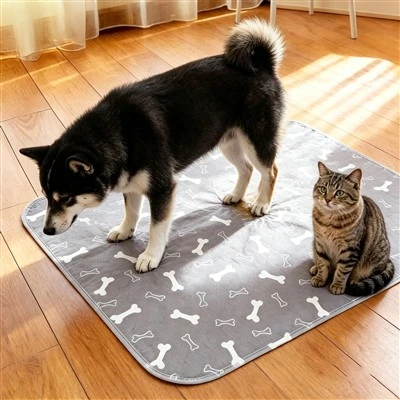
Before we discuss their use in padded - bottom crates, let's first understand what pet crate puppy pads are. Our Pet Crate Puppy Pads are specifically designed to provide a clean and absorbent surface for puppies inside their crates. These pads are made with multiple layers, including a top layer that is soft and comfortable for the puppy's paws, an absorbent middle layer that quickly soaks up urine and other liquids, and a leak - proof bottom layer to prevent messes from seeping through onto the crate floor.
There are different types of pet crate puppy pads available. For instance, Absorbent Puppy Pads are known for their high - capacity absorption, which is ideal for puppies that may have more frequent accidents. On the other hand, Quick - Dry Puppy Pads are designed to dry quickly, reducing the risk of skin irritation for the puppy due to prolonged exposure to wetness.
Advantages of Using Puppy Pads in a Padded - Bottom Crate
1. Protection of the Padded Bottom
One of the primary advantages of using puppy pads in a crate with a padded bottom is that it protects the padding from getting soiled. Puppies are still in the process of being house - trained, and accidents are inevitable. Without a puppy pad, urine and feces can seep into the padding, causing unpleasant odors and making it difficult to clean. The puppy pad acts as a barrier, catching the mess and allowing you to simply remove and replace the pad when it gets dirty, keeping the crate's padded bottom clean and fresh.
2. Hygiene for the Puppy
Puppy pads contribute to a more hygienic environment for the puppy. They absorb moisture quickly, which helps prevent the growth of bacteria and fungi that can thrive in a wet and dirty environment. This is especially important for puppies, as their immune systems are still developing, and exposure to unhygienic conditions can lead to health problems. By using puppy pads, you can ensure that your puppy is resting on a clean and dry surface, reducing the risk of skin infections and other health issues.
3. Convenience for the Owner
For pet owners, using puppy pads in a padded - bottom crate offers great convenience. You don't have to worry about constantly cleaning the crate's padding. Instead, you can focus on changing the puppy pad regularly, which is a much quicker and easier task. This saves time and effort, especially for busy pet owners who may not have a lot of free time to devote to deep - cleaning the crate.
Potential Disadvantages
1. Compatibility Issues
In some cases, there may be compatibility issues between the puppy pad and the padded bottom of the crate. The pad may not fit properly, leaving gaps where urine can still seep through and reach the padding. Additionally, if the pad is too thick, it may make the crate feel cramped for the puppy, or it may cause the puppy to have difficulty getting in and out of the crate.
2. Training Challenges
Using puppy pads in a crate with a padded bottom can sometimes create training challenges. Puppies may become too accustomed to urinating on the pad and have a harder time transitioning to going outside. This is because the pad provides a designated area for them to relieve themselves, and they may not understand the difference between the pad and the outdoors. To mitigate this issue, it's important to gradually reduce the use of the puppy pad as the puppy gets older and more trained.
Best Practices for Using Puppy Pads in a Padded - Bottom Crate
1. Choose the Right Size and Type of Pad
To ensure proper fit and functionality, it's crucial to choose the right size and type of puppy pad for your crate. Measure the dimensions of the crate's interior and select a pad that is slightly smaller than the crate's floor to allow for a snug fit. Consider the type of pad based on your puppy's needs. If your puppy has a large bladder or is a heavy urinator, an absorbent pad may be the best choice. If you're concerned about quick drying, opt for a quick - dry pad.
2. Placement of the Pad
Proper placement of the puppy pad is also important. Place the pad in the corner of the crate where the puppy is most likely to relieve itself. You can also use a small amount of the puppy's urine on the pad to encourage it to use the designated area. Make sure the pad lies flat on the padded bottom of the crate to prevent any gaps or wrinkles that could allow urine to seep through.
3. Regular Changing
To maintain a clean and hygienic environment, it's essential to change the puppy pad regularly. Check the pad frequently, especially after the puppy has eaten, drunk, or woken up from a nap. Replace the pad as soon as it gets wet or soiled to prevent odors and the growth of bacteria.
Case Studies
Let's take a look at a few case studies to illustrate the effectiveness of using puppy pads in a padded - bottom crate.
Case Study 1: A pet owner named Sarah had a 3 - month - old Labrador puppy. She had a crate with a soft, padded bottom for her puppy to sleep in. At first, she didn't use puppy pads, and the crate's padding quickly became soiled with urine and feces. After switching to using Absorbent Puppy Pads, she noticed a significant improvement. The pads caught the mess, and she could easily replace them when they got dirty. The crate's padding remained clean, and her puppy seemed more comfortable.
Case Study 2: Another pet owner, John, had a small Chihuahua puppy. He used Quick - Dry Puppy Pads in his crate with a padded bottom. He was worried about his puppy getting skin irritation from a wet environment. The quick - dry pads worked well, as they dried the urine quickly, and his puppy's skin remained healthy.
Conclusion
In conclusion, pet crate puppy pads can be effectively used in a crate with a padded bottom. They offer numerous advantages in terms of protection, hygiene, and convenience. However, it's important to be aware of the potential disadvantages and follow the best practices to ensure a positive experience for both the puppy and the owner.


If you're interested in purchasing high - quality pet crate puppy pads for your furry friend, we'd love to hear from you. Our team is ready to assist you in finding the right pads for your specific needs. Whether you have questions about the product, need help with sizing, or want to discuss bulk purchasing options, we're here to help. Reach out to us to start a procurement discussion and give your puppy the clean and comfortable environment it deserves.
References
- "The Ultimate Guide to Puppy Training" by Jane Smith
- "Pet Crate and Kennel Care" by Mark Johnson
- Various industry reports on pet product usage and trends.