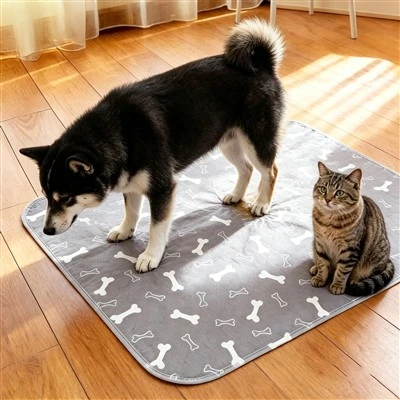
Can Washable Pet Pads be Used for Training Puppies?
As a provider of Washable Pet Pads, I often get asked whether these pads can be effectively used for puppy training. This is a crucial question for new puppy owners who are navigating the often-challenging world of housebreaking their furry friends. In this blog post, I'll explore the viability of using washable pet pads for puppy training, discussing their benefits, potential drawbacks, and best practices.
Benefits of Using Washable Pet Pads for Puppy Training
Cost - Efficiency
One of the most significant advantages of washable pet pads is their long - term cost - effectiveness. Disposable pads need to be replaced regularly, which can add up over time. In contrast, Washable Pet Pads can be used multiple times after a simple wash. For puppy owners who might need to use a large number of pads during the training period, this can result in substantial savings.
Environmental Friendliness
In an era where environmental concerns are at the forefront, washable pet pads are a more sustainable option. Disposable pads contribute to landfill waste, while washable ones reduce the environmental impact. By choosing washable pads for puppy training, owners can play their part in protecting the planet while still taking care of their new pets.
Durability and Quality
Washable pet pads are typically made of high - quality materials that are designed to withstand multiple washes. Washable Waterproof Puppy Mats often have a waterproof backing that prevents urine from seeping through and damaging floors. Their absorbent layers are also robust, ensuring that they can handle the frequent messes made by puppies during the training phase.

Customizable Training
Puppies are unique, and their training needs can vary. Washable pet pads can be easily moved around the house. You can start with placing the pads in an area where the puppy is most likely to eliminate, such as near the door or in a corner of the room. As the puppy progresses in training, you can gradually move the pads to the desired final location, like an outdoor spot.
Potential Drawbacks and Solutions
Learning Curve for Puppies
Some puppies may take a little longer to get used to washable pet pads compared to disposable ones. The texture and smell could be different, which might initially confuse the puppy. To overcome this, you can start by placing a soiled disposable pad on top of the washable pad. This will transfer the familiar scent and help the puppy understand that this is the designated area for elimination.
Cleaning and Maintenance
Washing the pads regularly can be a chore, especially if you have a busy schedule. However, most Washable and Reusable Puppy Mats are machine - washable, making the cleaning process relatively straightforward. Set a regular cleaning schedule, and it will become a part of your routine. Also, having a few extra pads on hand ensures that you always have a clean one available for the puppy.
Odor Management
If not cleaned properly, washable pet pads can develop odors. To prevent this, use a pet - friendly detergent when washing the pads. Adding a cup of white vinegar to the wash cycle can also help neutralize odors. Additionally, make sure to dry the pads thoroughly in the sun or a dryer, as damp pads are more likely to develop a bad smell.
Best Practices for Using Washable Pet Pads in Puppy Training
Placement
Proper placement of the washable pet pads is crucial. As mentioned earlier, start in an area where the puppy is likely to go, like near their sleeping area. Make sure the area is quiet and private, as puppies prefer to have some privacy when eliminating. Once the puppy gets used to using the pad, you can gradually move it to the desired location.
Consistency
Consistency is key in puppy training. Always take the puppy to the washable pet pad at regular intervals, especially after meals, naps, and playtime. Praise and reward the puppy when they use the pad correctly. Over time, the puppy will associate the pad with the act of eliminating.
Supervision
Keep a close eye on the puppy during the training period. If you see the puppy showing signs of needing to go, such as sniffing or circling, quickly guide them to the pet pad. This will help reinforce the correct behavior.
Comparing with Disposable Pads
Disposable pads have their advantages. They are convenient and require no cleaning. However, as we've discussed, washable pet pads offer long - term cost savings and are more environmentally friendly. In terms of performance, modern washable pads are just as effective at containing messes as disposable ones. Absorbent Pet Pads are designed to quickly soak up urine, preventing leaks and odors.
Case Studies
Many puppy owners have successfully used washable pet pads for training. Take the example of Sarah, a new puppy owner. She was initially hesitant about using washable pads but decided to give them a try due to environmental concerns. She followed the proper training techniques, including consistent placement and rewards. After a few weeks, her puppy was reliably using the washable pads. Sarah was also pleased with the cost savings and the fact that she didn't have to constantly buy new pads.
Conclusion
In conclusion, washable pet pads can indeed be used for training puppies effectively. They offer numerous benefits, including cost - efficiency, environmental friendliness, and durability. While there are some potential drawbacks, these can be easily overcome with proper training techniques and maintenance. If you're a puppy owner looking for a practical and sustainable option for training your furry friend, Washable Pet Pads are definitely worth considering.
If you're interested in purchasing high - quality washable pet pads for puppy training, we'd be more than happy to discuss your needs. Whether you need Dog Pee Pads For Crate Indoor or Washable Waterproof Puppy Mats, we have a wide range of products to suit your requirements. Contact us to start a conversation about your purchase and find the best solution for your puppy's training.
References
- [Book Name 1], Author's Name, Publication Year
- [Book Name 2], Author's Name, Publication Year
- [Research Paper Name], Author's Name, Journal Name, Publication Year