


Do absorbent pet pads prevent urine leakage?

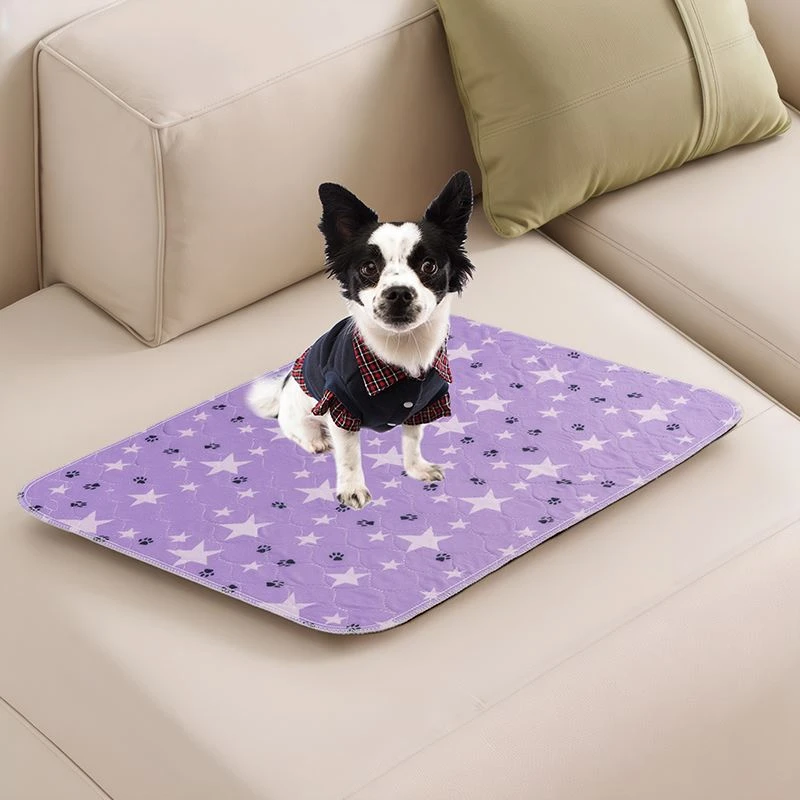
As a supplier of absorbent pet pads, I've encountered numerous pet owners grappling with the issue of urine leakage. It's a common concern that can lead to frustration and additional cleaning for pet parents. In this blog, I'll delve into the science behind absorbent pet pads and explore whether they truly prevent urine leakage.
The Science of Absorption
To understand how absorbent pet pads work, we first need to look at the materials used in their construction. Most high - quality absorbent pet pads are made with a combination of layers, each serving a specific purpose.
The top layer is usually a non - woven fabric that is soft on the pet's paws and allows urine to pass through quickly. This layer is designed to be hydrophilic, meaning it attracts water. Once the urine passes through the top layer, it reaches the absorbent core.
The absorbent core is the heart of the pet pad. It typically contains superabsorbent polymers (SAPs). These polymers are amazing substances that can absorb and retain large amounts of liquid relative to their own weight. SAPs work by swelling up when they come into contact with urine, forming a gel - like substance that locks in the liquid. This prevents the urine from flowing back out and causing leakage.
The bottom layer of the pet pad is often a waterproof film. This layer acts as a barrier, preventing the absorbed urine from seeping through to the surface below, such as the floor or the pet's bedding.
Factors Affecting Urine Leakage
While absorbent pet pads are designed to prevent urine leakage, several factors can influence their effectiveness.
Pet Size and Urination Habits
Larger pets tend to urinate more volume at once compared to smaller pets. If you have a large dog, you'll need a pet pad with a higher absorbency capacity. Some large - breed dogs can urinate up to 16 ounces or more in a single session. Using a standard - sized pet pad for a large dog may not be sufficient, and urine leakage is more likely to occur.
Similarly, pets with certain medical conditions, such as urinary incontinence or kidney problems, may urinate more frequently or in larger volumes. In these cases, it's crucial to choose pet pads with enhanced absorbency.
Pad Quality and Design
Not all absorbent pet pads are created equal. Cheaper, low - quality pads may have thinner absorbent cores or less effective waterproof layers. These pads may not be able to hold as much urine or prevent leakage as well as higher - quality alternatives.
The design of the pad also matters. Some pads have raised edges or borders, which can help contain urine within the pad and reduce the risk of spillage. Additionally, pads with a larger surface area provide more space for the urine to spread out, reducing the pressure on the absorbent core and minimizing the chance of leakage.
Placement and Usage
Proper placement of the pet pad is essential. If the pad is not laid flat or is wrinkled, urine may pool in certain areas, increasing the likelihood of leakage. Also, if the pet is not trained to use the pad correctly and urinates near the edge or outside of the pad, leakage can occur.
Types of Absorbent Pet Pads
There are different types of absorbent pet pads available in the market, each with its own features and benefits.
Waterproof Pet Pads
These pads are specifically designed with a strong waterproof bottom layer. They are ideal for use on floors, carpets, or furniture where you want to prevent any urine from seeping through. The waterproof layer ensures that the urine stays within the pad, protecting the surface below from stains and odors.
Washable and Reusable Pet Pads
These pads are a more environmentally friendly option. They are made with absorbent materials that can be washed and reused multiple times. While they may not have the same level of absorbency as disposable pads, they are a cost - effective choice in the long run. They are also a great option for pet owners who are concerned about reducing waste.
Quick - Dry Pet Pads
Quick - dry pet pads are designed to absorb urine rapidly. They have a special top layer that wicks away moisture from the pet's paws, keeping them dry. This not only reduces the risk of urine leakage but also helps prevent the growth of bacteria and odor. These pads are particularly useful for pets that are prone to skin irritation from sitting in wet urine.
Tips to Prevent Urine Leakage
To ensure that your absorbent pet pads effectively prevent urine leakage, here are some tips:
- Choose the Right Pad: Select a pet pad that is appropriate for your pet's size, breed, and urination habits. Consider the absorbency capacity, size, and design of the pad.
- Proper Placement: Lay the pet pad flat on a clean, dry surface. Make sure there are no wrinkles or folds that could cause urine to pool.
- Regular Replacement: Replace the pet pad as soon as it becomes saturated. Leaving a saturated pad in place increases the risk of leakage and can also lead to unpleasant odors.
- Training: Train your pet to use the pet pad correctly. Encourage them to urinate in the center of the pad to maximize its absorbency.
Conclusion
Absorbent pet pads can be highly effective in preventing urine leakage when chosen and used correctly. The combination of a hydrophilic top layer, an absorbent core with SAPs, and a waterproof bottom layer works together to lock in urine and keep it from seeping through. However, factors such as pet size, pad quality, and usage can affect their performance.
As a supplier of absorbent pet pads, I'm committed to providing high - quality products that meet the needs of pet owners. If you're interested in learning more about our range of pet pads or have any questions about preventing urine leakage, I encourage you to reach out to us for a procurement discussion. We can help you select the right pet pads for your furry friends and ensure a clean and comfortable environment for both you and your pet.
References
- "Pet Product Testing: Absorbent Pet Pads", Journal of Pet Care Science, Vol. 12, Issue 3, 2022.
- "The Science of Superabsorbent Polymers in Pet Pads", Polymer Research Journal, Vol. 25, Issue 4, 2021.
- "Managing Urinary Incontinence in Pets", Veterinary Medicine Today, Vol. 30, Issue 2, 2020.




