Hey there! I'm in the business of supplying incontinence pads, and I often get asked about how to dispose of used ones. It's a crucial topic, not just for hygiene reasons but also for environmental concerns. So, let's dive right into it.
Understanding the Types of Incontinence Pads
First off, it's important to know that there are different types of incontinence pads out there. You've got disposable ones and washable ones. Each type has its own way of being disposed of, and it's essential to handle them properly.
Disposable incontinence pads are designed to be used once and then thrown away. They're super convenient, especially when you're on the go or in a situation where washing isn't practical. On the other hand, washable incontinence pads are more eco - friendly and cost - effective in the long run. You can use them multiple times after giving them a good clean.
If you're interested in checking out some great options, I'd recommend taking a look at Absorbent Pads for Incontinence. They offer a wide range of products that cater to different needs.
Disposing of Disposable Incontinence Pads
When it comes to disposable incontinence pads, the first step is to ensure your safety and the safety of others. These pads may contain bodily fluids, so you need to handle them with care.
- Folding and Sealing: Start by folding the used pad in half or in a way that the soiled part is inside. This helps to contain any odors and prevent leakage. Then, use the adhesive strips (most disposable pads have them) to seal the pad shut. This makes it easier to handle and keeps the mess contained.
- Bagging: After folding and sealing the pad, place it in a plastic bag. A small, sturdy plastic bag works well. Make sure to tie the bag tightly to prevent any spills or leaks. This extra layer of protection is important, especially if you're disposing of the pad in a shared trash bin.
- Trash Bin: Once the pad is in the bag, simply throw it in the regular trash bin. However, if you're in a public place, try to use a covered trash bin to maintain hygiene. Avoid leaving the bagged pad in an open area where it could be a nuisance or a health hazard.
It's also a good idea to wash your hands thoroughly with soap and water after handling used disposable pads. This helps to prevent the spread of germs.
Disposing of Washable Incontinence Pads
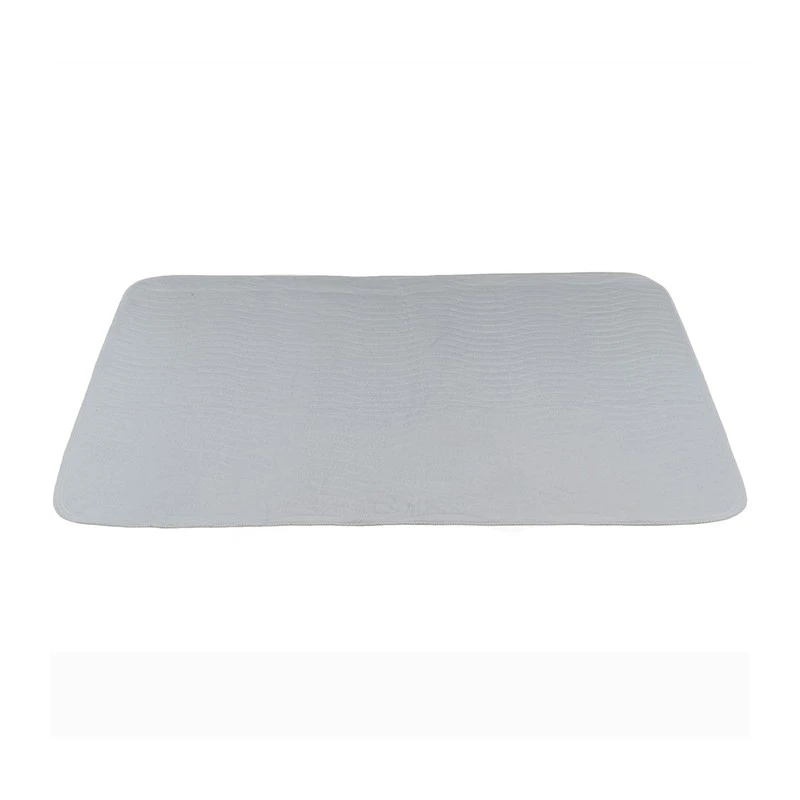
Washable incontinence pads are a great alternative for those who want to be more environmentally friendly. But they require a different approach when it comes to disposal.
- Shaking Off Solids: If there are any solid waste on the pad, gently shake it off into the toilet. You can do this over the toilet bowl to avoid making a mess.
- Pre - rinsing: After shaking off the solids, give the pad a quick pre - rinse under cold water. This helps to remove any remaining bodily fluids and makes the washing process more effective.
- Washing: Put the pad in the washing machine. Use a mild detergent and set the machine to a gentle cycle. Hot water can be used, but make sure to check the manufacturer's instructions first. Some pads may have specific temperature requirements.
- Drying: Once the pad is washed, dry it according to the instructions. You can either air - dry it or use a dryer on a low - heat setting.
If you're looking for high - quality washable pads, Washable Underpads for Incontinence and Washable Incontinence Pads for Bed are great resources. They offer products that are durable and easy to clean.

Environmental Considerations
As someone who supplies incontinence pads, I'm also very conscious of the environmental impact. Disposable pads contribute to a significant amount of waste, so it's important to try and reduce our usage as much as possible.
Washable pads are a great solution. They can be used for a long time, which means less waste going to landfills. If you're using disposable pads, try to look for ones that are made from more sustainable materials. Some companies are now producing disposable pads that are biodegradable or have a lower environmental impact.
Special Situations
There are some special situations where you need to be extra careful when disposing of incontinence pads.
- Infectious Diseases: If the person using the pad has an infectious disease, such as a virus or a bacterial infection, the pads need to be handled with extra caution. In such cases, it's advisable to follow the guidelines provided by a healthcare professional. They may recommend using a special disinfectant or disposing of the pads in a specific way to prevent the spread of the disease.
- Hospitals and Healthcare Facilities: In hospitals and healthcare facilities, there are strict protocols for disposing of used incontinence pads. These protocols are in place to ensure the safety of patients, staff, and the general public. If you're in a healthcare setting, make sure to follow the facility's guidelines.
Conclusion
Disposing of used incontinence pads is an important part of maintaining hygiene and protecting the environment. Whether you're using disposable or washable pads, it's crucial to handle them properly. By following the steps I've outlined above, you can ensure that you're doing your part to keep things clean and safe.
If you're interested in purchasing high - quality incontinence pads, whether disposable or washable, feel free to reach out. We're here to help you find the right products for your needs. We offer a wide range of options that are both comfortable and effective. Let's start a conversation about your requirements, and we can work together to find the best solution for you.
References
- World Health Organization. Guidelines on environmental health in health - care facilities.
- Manufacturer's instructions for various incontinence pads.