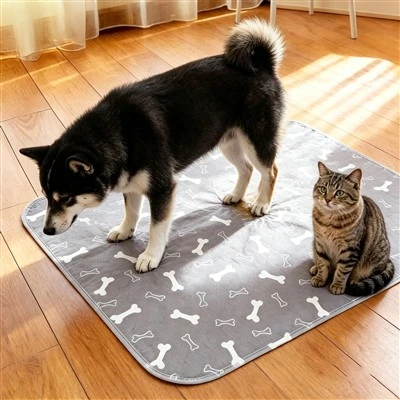
Handling absorbent pet pads that have been soiled by diarrhea can be a challenging yet crucial task for pet owners. As a supplier of high - quality absorbent pet pads, I understand the concerns and difficulties that come with this issue. In this blog, I'll share some effective methods on how to deal with such soiled pads, ensuring a clean and healthy environment for both pets and their owners.
Understanding the Challenge
Diarrhea in pets can be caused by various factors, such as dietary changes, infections, or underlying health conditions. The consistency and composition of diarrhea make it more difficult to handle compared to normal feces. It spreads easily, has a strong odor, and may contain harmful bacteria and parasites. When it comes to absorbent pet pads, these characteristics can pose a threat to the pad's effectiveness and the overall cleanliness of the area.
Immediate Action
The moment you notice that your pet has soiled the absorbent pad with diarrhea, it's essential to act quickly. First, put on a pair of disposable gloves to protect yourself from potential pathogens. Then, carefully lift the edges of the soiled pad to minimize the spread of the mess. If the diarrhea is still wet, try to blot up as much of the liquid as possible using paper towels or a clean cloth. This will prevent the diarrhea from seeping through the pad and onto the floor or other surfaces.
Disposal of Soiled Pads
For single - use absorbent pet pads, the most straightforward way is to dispose of them properly. Seal the soiled pad in a plastic bag to contain the odor and prevent leakage. Tie the bag tightly and place it in an outdoor trash bin. Make sure to wash your hands thoroughly with soap and water after handling the soiled pad and the plastic bag.
If you are using Quick - Dry Pet Pads, which are designed for multiple uses, the process is a bit different. These pads are made with special materials that can withstand repeated washing. However, before washing, it's important to pre - treat the soiled area. You can use a mild detergent or a pet - safe stain remover to soak the pad for about 15 - 20 minutes. This will help break down the diarrhea and make it easier to remove during the washing process.
Washing Washable Pads
When it's time to wash the Quick - Dry Pet Pads or other washable absorbent pet pads, follow these steps:
- Sort the Pads: Separate the soiled pads from other laundry items to prevent cross - contamination.
- Choose the Right Cycle: Use a gentle cycle with warm water. Hot water may set the stains, while cold water may not be effective in killing bacteria.
- Add Detergent: Use a mild, fragrance - free detergent that is safe for pets. Avoid using harsh chemicals or bleach, as they can be irritating to your pet's skin.
- Extra Rinse: After the main wash cycle, run an extra rinse cycle to ensure that all the detergent and debris are removed from the pads.
- Dry the Pads: You can either air - dry the pads or use a low - heat setting in the dryer. High - heat settings may damage the pads' absorbent materials.
Odor Control
Diarrhea has a strong and unpleasant odor that can linger in the environment even after the pads are removed. To control the odor, you can use odor - neutralizing sprays or natural deodorizers. Baking soda is a great natural deodorizer. Sprinkle a generous amount of baking soda on the area where the soiled pad was placed and let it sit for a few hours before vacuuming it up.
Another option is to use activated charcoal. Place a few pieces of activated charcoal in a small container near the area to absorb the odor. You can also add a few drops of essential oils, such as lavender or lemon, to the water when mopping the floor to leave a fresh scent.
Preventive Measures
As a supplier of absorbent pet pads, I also recommend taking preventive measures to reduce the chances of your pet having diarrhea and soiling the pads. Here are some tips:

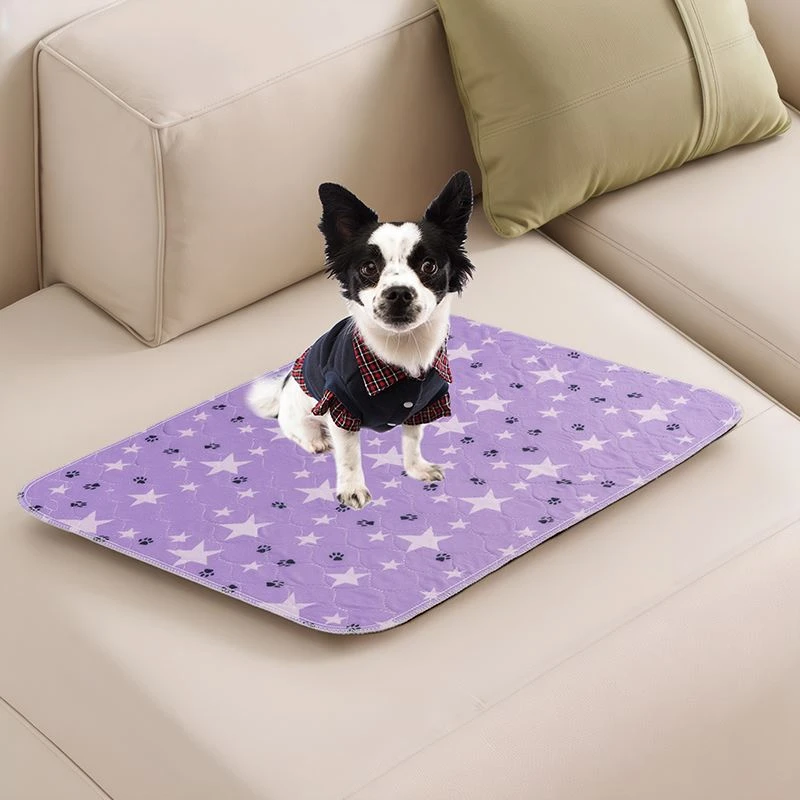
- Stable Diet: Feed your pet a consistent and balanced diet. Avoid sudden changes in food, as this can upset their digestive system.
- Regular Vet Check - ups: Take your pet to the vet for regular check - ups to detect and treat any underlying health issues early.
- Proper Hydration: Make sure your pet has access to clean and fresh water at all times. Dehydration can contribute to digestive problems.
- Use High - Quality Pads: Choose absorbent pet pads that are designed to handle different types of messes. Our Pet Crate Pads for Puppies and Waterproof Backing Pet Pads are excellent choices. They are made with high - quality materials that can quickly absorb and lock in liquids, preventing leakage and keeping your pet's area clean.
Importance of Quality Absorbent Pet Pads
Using high - quality absorbent pet pads is crucial when dealing with diarrhea. Our pads are designed with multiple layers of absorbent materials that can quickly soak up the liquid and prevent it from spreading. The Waterproof Backing Pet Pads have a waterproof layer on the bottom, which ensures that the diarrhea does not seep through the pad and onto the floor.
In addition, our pads are soft and comfortable for pets to lie on. They are also free from harmful chemicals and dyes, which is safe for your pet's skin. Whether you have a puppy, a senior dog, or a cat, our range of absorbent pet pads can meet your needs.
Contact for Purchase and Consultation
If you are interested in purchasing our high - quality absorbent pet pads or have any questions about handling soiled pads, feel free to reach out to us. We are always ready to provide you with professional advice and the best products to keep your pet's living environment clean and healthy.
References
- Beynen, A. (2019). "Feeding Your Dog: Know the Basics of Canine Nutrition". Dog Nutrition.
- Landsberg, G., Hunthausen, W., & Ackerman, L. (2013). "Behavior Problems of the Dog and Cat". Elsevier Health Sciences.