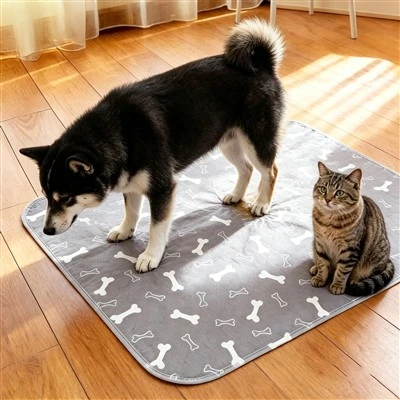
As a supplier of Washable Puppy Mats, I often get asked about the best ways to store these mats when they're not in use. Proper storage not only extends the lifespan of the mats but also ensures they're in good condition for your furry friends when needed. In this blog, I'll share some practical tips on storing Washable Puppy Mats, including Washable Puppy Mats, Quick-Dry Puppy Mats, and Washable Waterproof Puppy Mats.
1. Clean the Mats Thoroughly
Before storing your puppy mats, it's crucial to clean them properly. This step prevents the growth of mold, mildew, and bacteria, which can damage the mats over time. For Washable Puppy Mats, follow the care instructions provided. Most of these mats can be machine-washed on a gentle cycle using a mild detergent. Avoid using harsh chemicals or bleach, as they can damage the fabric and reduce the mat's absorbency.
If you have Quick-Dry Puppy Mats, their quick-drying feature makes them easier to clean and dry. After washing, hang them up to air dry completely. Make sure there's no moisture left in the mat before storing it.
For Washable Waterproof Puppy Mats, wipe them down with a damp cloth and a mild cleaner. Rinse thoroughly and let them dry completely. The waterproof layer helps protect the mat from stains and odors, but proper cleaning is still essential.


2. Choose the Right Storage Location
The storage location plays a significant role in maintaining the quality of your puppy mats. Here are some factors to consider when selecting a storage spot:
- Dry and Ventilated Area: Moisture is the enemy of puppy mats. Choose a dry place with good ventilation to prevent mold and mildew growth. Avoid storing the mats in basements, attics, or areas prone to dampness.
- Cool Temperature: High temperatures can cause the fabric to deteriorate and the colors to fade. Store the mats in a cool place away from direct sunlight and heat sources.
- Clean and Pest-Free: Make sure the storage area is clean and free from pests. Insects and rodents can chew on the mats, causing damage. You can use pest repellents or store the mats in sealed containers to keep pests away.
3. Fold or Roll the Mats
Once the mats are clean and dry, you need to decide whether to fold or roll them for storage. Here are the pros and cons of each method:
- Folding: Folding the mats is a simple and space-saving method. It's suitable for smaller mats or if you have limited storage space. However, folding can create creases in the mat, which may be difficult to remove later. To minimize creasing, fold the mat along its natural lines and avoid sharp folds.
- Rolling: Rolling the mats is a better option for larger mats or if you want to prevent creasing. Rolling also makes it easier to transport the mats if needed. To roll the mat, start from one end and roll it tightly. You can use a strap or a rubber band to keep the roll in place.
4. Use Storage Containers or Bags
To protect the mats from dust, dirt, and pests, it's a good idea to store them in containers or bags. Here are some options to consider:
- Plastic Storage Bins: Plastic storage bins are a popular choice for storing puppy mats. They're durable, waterproof, and easy to clean. Make sure the bins are large enough to accommodate the mats without squeezing them. You can label the bins to make it easier to find the mats when needed.
- Sealed Plastic Bags: Sealed plastic bags are a cost-effective option for storing smaller mats. They're lightweight and easy to store. However, make sure the bags are airtight to prevent moisture and pests from getting in.
- Cotton Storage Bags: Cotton storage bags are a breathable option that allows the mats to air out. They're suitable for long-term storage and can help prevent the growth of mold and mildew. However, cotton bags may not provide as much protection against dust and pests as plastic containers.
5. Stack the Mats Properly
If you're storing multiple mats, it's important to stack them properly to prevent damage. Here are some tips on stacking the mats:
- Place a Protective Layer: Place a clean, soft cloth or a piece of cardboard between each mat to prevent them from rubbing against each other. This helps protect the fabric and prevent scratches.
- Stack in a Stable Manner: Stack the mats in a stable manner to prevent them from falling over. Make sure the stack is balanced and doesn't exceed the weight limit of the storage container or shelf.
- Don't Overstack: Avoid overstacking the mats, as this can cause them to become compressed and lose their shape. Leave some space between the mats to allow for air circulation.
6. Check the Mats Regularly
Even if you've stored the mats properly, it's still a good idea to check them regularly. This allows you to detect any signs of damage or deterioration early and take appropriate action. Here's what you should do:
- Inspect the Mats: Check the mats for any signs of mold, mildew, stains, or damage. If you notice any issues, clean the mats again or replace them if necessary.
- Air Out the Mats: Every few months, take the mats out of storage and air them out. This helps prevent musty odors and keeps the fabric fresh.
- Rotate the Mats: If you have multiple mats, rotate them regularly to ensure they're all used evenly. This helps extend the lifespan of the mats.
7. Consider Seasonal Storage
If you live in an area with distinct seasons, you may want to consider seasonal storage for your puppy mats. Here's how you can do it:
- Summer Storage: In the summer, when your puppy may not need the mats as often, store them in a cool, dry place. You can use the tips mentioned above to clean, fold, and store the mats properly.
- Winter Storage: In the winter, you may want to keep the mats easily accessible for your puppy. However, if you have extra mats, you can store them in a warm, dry place to prevent them from freezing or getting damaged.
Conclusion
Proper storage of Washable Puppy Mats is essential for maintaining their quality and extending their lifespan. By following the tips outlined in this blog, you can ensure that your puppy mats are clean, dry, and in good condition when not in use. Whether you have Washable Puppy Mats, Quick-Dry Puppy Mats, or Washable Waterproof Puppy Mats, these storage methods will help keep them in top shape for your furry friend.
If you're interested in purchasing high-quality Washable Puppy Mats for your business or personal use, we'd love to hear from you. Contact us to discuss your requirements and explore our range of products. We're committed to providing the best products and services to our customers.
References
- American Kennel Club. (n.d.). Puppy Care: Potty Training. Retrieved from [Website URL]
- PetMD. (n.d.). How to Clean and Maintain Your Dog's Bedding. Retrieved from [Website URL]
- The Spruce Pets. (n.d.). Tips for Storing Pet Supplies. Retrieved from [Website URL]