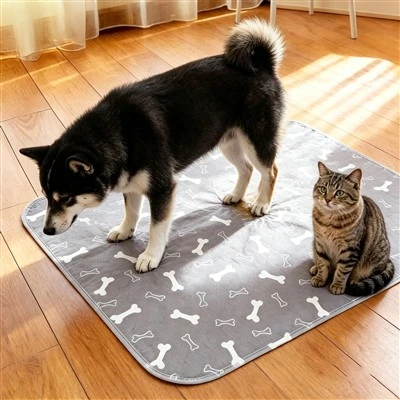
Hey there, fellow pet lovers! As a supplier of Quick-Dry Pet Pads, I often get asked the question: "How often should I replace Quick-Dry Pet Pads?" Well, let's dive right into it and figure out the best answer for your furry friends.
Factors Affecting Replacement Frequency
First off, there are several factors that can influence how often you should swap out these pet pads. The size of your pet is a major one. If you have a tiny Chihuahua, they're gonna pee a lot less than a big Great Dane. So, logically, you won't need to change the pad as often for a small pet.
Another factor is the number of pets using the pad. If you've got multiple furballs sharing one pad, it's gonna get dirty and full way faster. For instance, if you have three cats using a single Quick-Dry Pet Pad, you might need to change it several times a day.
The age of your pet also plays a role. Puppies and kittens have smaller bladders and less control over their bodily functions. They're likely to pee more frequently, which means more frequent pad changes. On the other hand, older pets might have incontinence issues, also leading to more regular replacements.
General Guidelines
For a single small pet, like a cat or a toy breed dog, changing the Quick-Dry Pet Pad once a day is usually sufficient. These little guys don't produce a whole lot of urine, and the quick-dry feature of the pads helps keep things fresh for a while.
If you have a medium-sized dog, you might want to change the pad twice a day. Medium dogs tend to pee more volume than small ones, and changing the pad more often will prevent any unpleasant odors and keep your home smelling nice.
Large dogs are a different story. Due to their size and the amount of urine they produce, you should change the Quick-Dry Pet Pad at least three times a day. This ensures that the pad stays dry and clean, reducing the risk of your dog getting skin irritations from sitting on a wet surface.
Signs That It's Time to Replace
Besides following these general guidelines, there are some clear signs that tell you it's time to change the pad. If the pad starts to smell bad, that's a dead giveaway. No matter how good the quick-dry technology is, urine has a strong odor, and once it starts to linger, it's time for a new one.
Another sign is when the pad is visibly saturated. You can tell if it's holding as much liquid as it can by looking at it. If it's all wet and sagging, it's definitely time to swap it out.
If your pet seems reluctant to use the pad, it could be because it's dirty or uncomfortable. Pets are pretty picky about their potty areas, so if they're avoiding the pad, check it and replace it if necessary.
Benefits of Using Quick-Dry Pet Pads
One of the main benefits of our Quick-Dry Pet Pads is that they help keep your pet's paws dry. Wet paws can lead to all sorts of problems, like fungal infections and tracking dirt all over your house. With the quick-dry feature, the urine is absorbed quickly, leaving your pet's paws clean and dry.
These pads also help control odors better than regular pads. The advanced absorbent materials trap the urine and neutralize the smell, making your home a more pleasant place to be.


And let's not forget about convenience. Changing a Quick-Dry Pet Pad is a breeze. Just remove the old one and put a new one in place. It's a lot easier than cleaning up a mess on the floor.
Comparison with Other Types of Pet Pads
There are other types of pet pads out there, like Absorbent Pet Pads and Washable Pet Pads. While absorbent pads are good at soaking up urine, they might not dry as quickly as our quick-dry pads. This can lead to a wetter environment for your pet and more odor problems.
Washable pet pads are a more eco-friendly option, but they do require more maintenance. You have to wash them regularly, which can be time-consuming. Our Quick-Dry Pet Pads offer the best of both worlds - they're convenient and effective at keeping your pet's area clean.
Tips for Making the Most of Your Pet Pads
To make your Quick-Dry Pet Pads last longer, you can place a layer of newspaper or a puppy training mat underneath. This extra layer will absorb some of the urine, reducing the load on the main pad.
Keep the pads in a cool, dry place. Exposure to heat and humidity can affect their absorbency and quick-dry properties.
And don't forget to clean the area where you place the pads regularly. Wipe it down with a pet-safe cleaner to prevent the buildup of bacteria and odors.
Conclusion
So, there you have it - a comprehensive guide on how often you should replace Quick-Dry Pet Pads. Remember, the frequency depends on factors like your pet's size, age, and the number of pets using the pad. By following the general guidelines and looking out for the signs of a dirty pad, you can keep your pet happy and your home clean.
If you're interested in purchasing our high-quality Quick-Dry Pet Pads, feel free to reach out for a procurement discussion. We're always here to help you find the best solution for your pet's needs.
References
- "Pet Care Handbook" - A comprehensive guide on pet care and product usage.
- "The Science of Pet Pad Absorbency" - Research on the effectiveness of different types of pet pads.