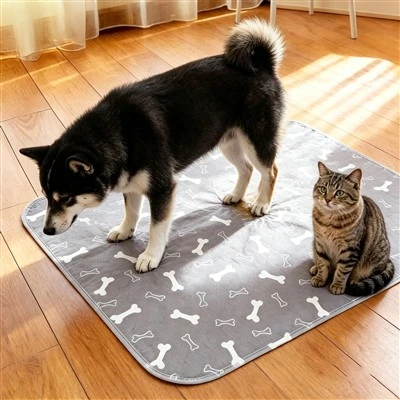
When it comes to reusable underpads, one of the most frequently asked questions is, "How thick are they?" As a seasoned supplier in the reusable underpads industry, I've encountered this query countless times from customers seeking the perfect balance between comfort, absorbency, and practicality. In this blog post, I'll delve into the factors influencing the thickness of reusable underpads, explore the typical thickness ranges, and help you understand how to choose the right thickness for your specific needs.
Factors Influencing the Thickness of Reusable Underpads
Absorbency Requirements
The primary function of an underpad is to absorb and contain fluids, whether it's urine, sweat, or other bodily discharges. Naturally, underpads designed for higher absorbency levels tend to be thicker. This is because they need more layers of absorbent material to hold a larger volume of liquid. For instance, Waterproof Incontinence Underpads intended for heavy incontinence cases will typically be thicker than those for light or occasional use. These heavy-duty underpads are often equipped with multiple layers of highly absorbent materials such as cotton, bamboo, or synthetic fibers, which work together to quickly wick away moisture and prevent leakage.
Comfort and Mobility
While absorbency is crucial, comfort and mobility are also important considerations. Underpads that are too thick can feel bulky and restrict movement, which may be uncomfortable for the user, especially during extended periods of use. On the other hand, overly thin underpads may not provide sufficient protection. Therefore, manufacturers strive to find the right balance. For example, underpads designed for use in hospitals or nursing homes, where patients may need to move around in bed or be transferred, are often designed to be thinner and more flexible without compromising on absorbency. This allows for greater comfort and ease of movement while still providing adequate protection.
Durability and Longevity
Thicker underpads generally tend to be more durable. They can withstand repeated washing and use without losing their shape or absorbency. The additional layers of material provide extra strength and resilience, making them less likely to tear or wear out over time. This is particularly important for reusable underpads, as they are intended to be used multiple times. However, it's important to note that durability also depends on the quality of the materials used and the construction of the underpad. High-quality materials and well-constructed underpads can offer excellent durability even at a relatively thinner thickness.
Typical Thickness Ranges of Reusable Underpads
The thickness of reusable underpads can vary widely depending on their intended use and design. Here are some general thickness ranges you can expect:
Light-Duty Underpads
Light-duty underpads are typically used for light or occasional moisture protection, such as for children during potty training or for light sweating. These underpads are usually relatively thin, ranging from about 1 to 3 millimeters in thickness. They are often made of a single layer or a combination of thin absorbent materials, which makes them lightweight and comfortable to use. Washable Underpads in this category are also easy to fold and store, making them convenient for travel or on-the-go use.
Medium-Duty Underpads
Medium-duty underpads are suitable for moderate incontinence or for use in situations where there is a moderate amount of moisture. They typically range from 3 to 5 millimeters in thickness. These underpads usually have multiple layers of absorbent material, which provides a good balance between absorbency and comfort. They are often used in home care settings, as well as in some healthcare facilities for patients with moderate incontinence.
Heavy-Duty Underpads
Heavy-duty underpads are designed for heavy incontinence or for use in situations where there is a large volume of fluid to be absorbed. These underpads are the thickest, ranging from 5 to 10 millimeters or more. They are constructed with multiple layers of highly absorbent materials and often have a waterproof backing to prevent leakage. Waterproof Underpads in this category are commonly used in hospitals, nursing homes, and for individuals with severe incontinence.


Choosing the Right Thickness for Your Needs
When choosing the right thickness of reusable underpads, it's important to consider your specific needs and circumstances. Here are some tips to help you make an informed decision:
Consider the Absorbency Required
Assess the amount of moisture that needs to be absorbed. If you or your loved one has light incontinence or only experiences occasional moisture, a light or medium-duty underpad may be sufficient. However, if there is heavy incontinence or a large volume of fluid to be absorbed, a heavy-duty underpad is recommended.
Think About Comfort and Mobility
Consider the comfort and mobility of the user. If the underpad will be used for extended periods of time or if the user needs to move around freely, a thinner and more flexible underpad may be more suitable. On the other hand, if comfort is not a major concern and maximum absorbency is required, a thicker underpad may be the better choice.
Evaluate Durability
If you plan to use the underpads multiple times, durability is an important factor. Thicker underpads generally tend to be more durable, but it's also important to choose high-quality materials and well-constructed underpads. Look for underpads that are made from durable materials such as cotton or bamboo and have reinforced seams to ensure long-lasting use.
Conclusion
The thickness of reusable underpads plays a crucial role in their performance, comfort, and durability. By understanding the factors influencing the thickness, the typical thickness ranges, and how to choose the right thickness for your needs, you can make an informed decision when purchasing reusable underpads. As a supplier of reusable underpads, I'm committed to providing high-quality products that meet the diverse needs of our customers. If you have any questions or need further assistance in choosing the right underpads, please don't hesitate to contact us for a procurement discussion. We look forward to working with you to find the perfect solution for your incontinence or moisture protection needs.
References
- "Incontinence Management: A Guide for Healthcare Professionals." World Health Organization.
- "Textile Materials for Absorbent Products." Journal of Textile Science and Engineering.