


Hey there! If you're on the hunt for the right incontinence pads, you've come to the right place. I'm an incontinence pads supplier, and I've seen firsthand the importance of choosing the perfect product for your needs. In this blog, I'll share some tips and tricks to help you make an informed decision.
Understanding Your Needs
First things first, you need to understand your specific needs. Incontinence can vary from light leaks to heavy flow, and the type of pad you choose should match your level of incontinence. Here are some factors to consider:
- Level of Incontinence: Are you dealing with light, moderate, or heavy incontinence? Light incontinence pads are suitable for occasional leaks, while heavy-duty pads are designed for more frequent and significant urine loss.
- Lifestyle: Your lifestyle plays a crucial role in choosing the right pad. If you're active and on the go, you'll need a pad that's discreet and comfortable to wear. On the other hand, if you spend most of your time at home, you might prioritize absorbency over discretion.
- Body Type: The size and shape of your body can also affect the fit and comfort of the pad. Make sure to choose a pad that's the right size for your body to prevent leakage and ensure maximum comfort.
Types of Incontinence Pads
There are several types of incontinence pads available on the market, each designed to meet different needs. Here are some of the most common types:

- Panty Liners: Panty liners are thin, lightweight pads that are designed for light incontinence or as a backup for other pads. They're discreet and easy to wear, making them a popular choice for women.
- Pads: Pads are thicker and more absorbent than panty liners, making them suitable for moderate to heavy incontinence. They come in different sizes and shapes to fit different body types and underwear styles.
- Adult Diapers: Adult diapers are the most absorbent type of incontinence product, designed for heavy incontinence. They're similar to baby diapers but are designed for adults and come in different sizes and styles.
- Bed Pads for Incontinence Adults: Bed pads are large, absorbent pads that are placed on the bed to protect the mattress from urine leaks. They're available in different sizes and absorbencies and can be disposable or washable.
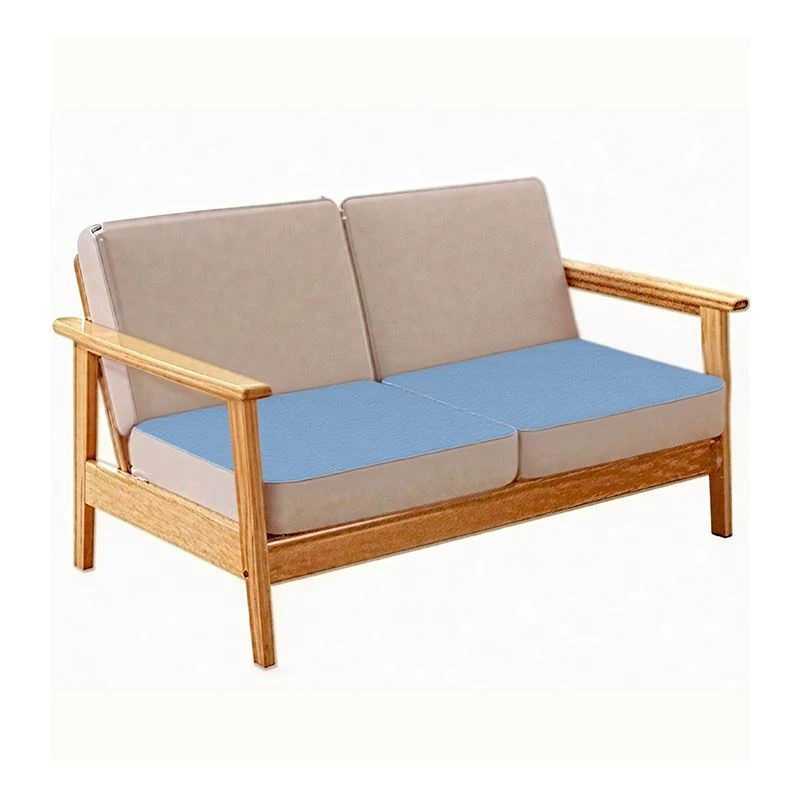
- Washable Underpads for Incontinence: Washable underpads are similar to bed pads but are smaller and designed to be placed under the body to protect clothing and furniture from urine leaks. They're reusable and can be washed and dried like regular laundry.
- Washable Incontinence Pads for Bed: Washable incontinence pads for bed are specifically designed to be used on the bed and are more absorbent than regular pads. They're available in different sizes and shapes and can be washed and dried like regular laundry.
Features to Look For
When choosing an incontinence pad, there are several features to look for to ensure maximum comfort and protection. Here are some of the most important features:
- Absorbency: The absorbency of the pad is one of the most important factors to consider. Make sure to choose a pad that's absorbent enough to handle your level of incontinence.
- Leak Protection: Look for a pad that has leak protection features, such as barriers or wings, to prevent urine from leaking out of the pad.
- Comfort: The pad should be comfortable to wear for extended periods of time. Look for pads that are made from soft, breathable materials and have a comfortable fit.
- Discretion: If you're concerned about discretion, look for pads that are thin and discreet. Some pads are designed to be worn with regular underwear, while others are designed to be worn with special incontinence underwear.
- Odor Control: Odor control is an important feature, especially if you're dealing with heavy incontinence. Look for pads that have odor control features, such as activated charcoal or baking soda, to help neutralize odors.
Choosing the Right Brand
There are many different brands of incontinence pads available on the market, each with its own unique features and benefits. When choosing a brand, it's important to do your research and read reviews from other users. Here are some tips to help you choose the right brand:
- Reputation: Look for a brand that has a good reputation for quality and reliability. You can read reviews from other users online or ask your doctor or healthcare provider for recommendations.
- Price: Incontinence pads can vary in price, so it's important to choose a brand that fits your budget. However, don't sacrifice quality for price. Look for a brand that offers a good balance of quality and affordability.
- Customer Service: Choose a brand that offers good customer service. If you have any questions or concerns about the product, you should be able to contact the manufacturer or retailer for assistance.
Tips for Using Incontinence Pads
Once you've chosen the right incontinence pad, it's important to use it correctly to ensure maximum comfort and protection. Here are some tips for using incontinence pads:
- Change the Pad Regularly: It's important to change the pad regularly to prevent skin irritation and odor. How often you need to change the pad will depend on your level of incontinence and the absorbency of the pad.
- Properly Dispose of Used Pads: Used incontinence pads should be properly disposed of to prevent the spread of germs and bacteria. Make sure to follow the manufacturer's instructions for disposal.
- Keep the Skin Clean and Dry: To prevent skin irritation, it's important to keep the skin clean and dry. Wash the area with mild soap and water and pat dry before applying a new pad.
- Use a Moisturizer: If you have sensitive skin, you may want to use a moisturizer to prevent dryness and irritation. Look for a moisturizer that's specifically designed for use on the skin.
Conclusion
Choosing the right incontinence pad can be a challenge, but with the right information and guidance, you can make an informed decision. Remember to consider your specific needs, the type of pad, the features, the brand, and the tips for using the pad. If you have any questions or concerns, don't hesitate to contact me. As an incontinence pads supplier, I'm here to help you find the perfect product for your needs.
If you're interested in purchasing incontinence pads, I'd love to talk to you about our products. We offer a wide range of high-quality incontinence pads at competitive prices. Contact us today to start a conversation about your specific requirements and let's work together to find the best solution for you.
References
- National Association for Continence. (n.d.). Choosing the Right Incontinence Product. Retrieved from https://www.nafc.org/living-with-bladder-and-bowel-issues/managing-incontinence/choosing-the-right-incontinence-product/
- Mayo Clinic. (2021). Adult incontinence: Products to manage the problem. Retrieved from https://www.mayoclinic.org/diseases-conditions/adult-incontinence/in-depth/adult-incontinence-products/art-20047990
- WebMD. (n.d.). Incontinence Products: What You Need to Know. Retrieved from https://www.webmd.com/urinary-incontinence-oab/incontinence-products-what-you-need-to-know




