Incontinence is a common health issue that affects millions of people worldwide, regardless of age or gender. It can significantly impact an individual's quality of life, causing discomfort, embarrassment, and a lack of confidence. Incontinence pads are a crucial solution for managing this condition, providing a reliable way to absorb urine and maintain dryness. As a leading supplier of incontinence pads, we understand the importance of absorbency and its role in ensuring the comfort and well - being of users. In this blog, we will explore the absorbency level of incontinence pads, how it is measured, and what factors can influence it.
Understanding Absorbency in Incontinence Pads
Absorbency refers to the ability of an incontinence pad to hold and retain liquid. It is a critical factor as it directly affects the pad's performance in preventing leaks and keeping the user dry. A pad with high absorbency can handle larger volumes of urine, reducing the frequency of pad changes and minimizing the risk of skin irritation caused by prolonged exposure to moisture.
There are several key elements that contribute to the absorbency of an incontinence pad. The most important is the absorbent core, which is typically made up of a combination of materials such as fluff pulp, superabsorbent polymers (SAPs), and tissue layers. Fluff pulp is a soft, fibrous material that can hold a certain amount of liquid. SAPs, on the other hand, are synthetic polymers that can absorb and retain many times their own weight in liquid. They work by swelling up when they come into contact with urine, forming a gel - like substance that locks in the moisture.
Measuring Absorbency
The absorbency of incontinence pads is usually measured in grams. This measurement indicates the maximum amount of liquid that a pad can hold before it becomes saturated. Different types of incontinence pads have different absorbency levels, which are designed to meet the varying needs of users.
For example, light incontinence pads, which are suitable for individuals with occasional or light urine leakage, typically have an absorbency of around 100 - 300 grams. These pads are thin and discreet, making them ideal for everyday use. Moderate incontinence pads can hold between 300 - 600 grams of liquid and are suitable for those with more frequent or moderate leakage. Heavy incontinence pads, designed for individuals with severe incontinence, can absorb 600 grams or more of urine.
It's important to note that these are general guidelines, and the actual absorbency of a pad may vary depending on the brand, design, and quality of the materials used. When choosing an incontinence pad, it's essential to consider your specific needs and the level of incontinence you experience.
Factors Affecting Absorbency
Several factors can influence the absorbency of incontinence pads. One of the most significant is the design of the pad. A well - designed pad will have a proper distribution of absorbent materials, ensuring that the liquid is evenly spread throughout the pad rather than pooling in one area. This helps to maximize the pad's absorbency and prevent leaks.
The quality of the materials used also plays a crucial role. High - quality fluff pulp and SAPs will have better absorbent properties than lower - quality alternatives. Additionally, the construction of the pad, including the number of layers and the tightness of the stitching, can affect how well it retains liquid.
Another factor is the user's body position. When a person is lying down, the urine may spread differently compared to when they are standing or sitting. Some pads are designed to be more effective in certain positions, so it's important to choose a pad that suits your lifestyle and typical body positions.


The frequency of urination also impacts absorbency. If a person urinates frequently in small amounts, a pad with a high - speed absorbency may be more suitable. On the other hand, if the urine is released in larger volumes less frequently, a pad with a high overall absorbency capacity is needed.
Our Range of Incontinence Pads
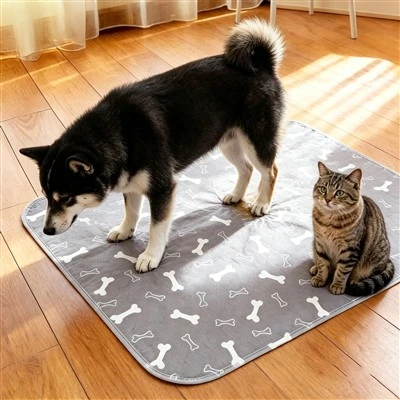
As a supplier, we offer a wide range of incontinence pads with different absorbency levels to meet the diverse needs of our customers. Our Washable Underpads for Incontinence are an excellent option for those looking for a reusable and eco - friendly solution. These pads are made with high - quality absorbent materials and can be easily washed and reused, providing long - term cost savings.
Our Bed Pads for Incontinence Adults are specifically designed for use in bed. They have a large surface area and high absorbency to protect the mattress from urine leakage during the night. These pads are also soft and comfortable, ensuring a good night's sleep for the user.
For everyday use, our Absorbent Pads for Incontinence come in various absorbency levels, from light to heavy. They are discreet, comfortable to wear, and provide reliable protection against leaks.
Choosing the Right Absorbency Level
Selecting the right absorbency level for your incontinence pads is crucial for your comfort and well - being. If you choose a pad with too low an absorbency, you may experience leaks, which can be embarrassing and uncomfortable. On the other hand, if you choose a pad with too high an absorbency, it may be thicker and bulkier than necessary, causing discomfort and reducing your mobility.
To determine the appropriate absorbency level, you should consider the frequency and volume of your urine leakage. If you have occasional light leakage, a light incontinence pad may be sufficient. For more frequent or moderate leakage, a moderate absorbency pad is recommended. And if you have severe incontinence, a heavy absorbency pad is the best choice.
It's also a good idea to consult with a healthcare professional, such as a doctor or a nurse, who can provide personalized advice based on your specific condition.
Contact Us for Purchasing
If you are interested in our range of incontinence pads, we invite you to contact us for more information and to discuss your purchasing needs. Our team of experts is dedicated to providing high - quality products and excellent customer service. We understand the importance of finding the right incontinence pads for your needs, and we are here to help you make the best choice.
References
- "Incontinence: A Guide for Patients and Caregivers" by the National Institute on Aging.
- "Absorbent Products for Incontinence: A Review" in the Journal of Wound, Ostomy and Continence Nursing.
- "The Science of Absorbency in Incontinence Pads" by leading industry research groups.