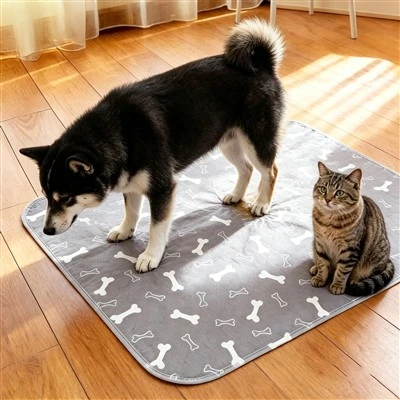
Hey there, fellow pet lovers! As a pet pad supplier, I often get asked about the average thickness of pet pads. It's a crucial factor that can affect how well these pads work for your furry friends. So, let's dive right in and explore this topic.
First off, what exactly are pet pads? Well, they're super handy products designed to provide a clean and comfortable spot for your pets to do their business, especially when you can't take them outside right away. We offer different types, like Absorbent Pet Pads, Waterproof Pet Pads, and Quick-Dry Pet Pads. Each type has its own unique features, and the thickness plays a big role in how they perform.
The average thickness of pet pads can vary quite a bit depending on several factors. One of the main things is the material used. For instance, pads made from high - quality, thick absorbent materials are usually thicker than those made from thinner, more lightweight ones. The purpose of the pad also matters. If it's meant to be used for large dogs that produce a lot of urine, it'll probably be thicker to handle the extra volume. On the other hand, pads for small pets might be a bit thinner.
Let's talk about the different types of pet pads and their typical thicknesses.
Absorbent Pet Pads
Absorbent pet pads are designed to soak up urine quickly and keep your floors dry. These pads usually have multiple layers, including an absorbent core. The average thickness of a good - quality absorbent pet pad ranges from about 2 to 5 millimeters. The thicker ones are great for larger pets or for longer periods between changes. The absorbent core in these pads is made up of materials like super - absorbent polymers (SAP), which can hold a large amount of liquid. The thickness helps ensure that the SAP has enough space to expand as it absorbs the urine.
Waterproof Pet Pads
Waterproof pet pads are essential for preventing leaks and protecting your floors. They typically have a waterproof backing layer and an absorbent top layer. The average thickness of waterproof pet pads is around 3 to 6 millimeters. The extra thickness comes from the waterproof layer, which is often made of a plastic - like material. This layer not only keeps the urine from seeping through but also adds a bit of durability to the pad.
Quick - Dry Pet Pads
Quick - dry pet pads are designed to dry fast, so your pet doesn't have to stand in a wet spot. These pads usually have a special wicking layer that draws the urine away from the surface. The average thickness of quick - dry pet pads is about 1.5 to 4 millimeters. The thinner ones are more flexible and can be more comfortable for your pet to walk on. The wicking layer is usually very thin but highly effective at getting the urine to the absorbent core quickly.
Now, you might be wondering why thickness is so important. Well, a thicker pad generally means better absorbency and leak protection. If a pad is too thin, it might not be able to hold all the urine, leading to messes on your floors. On the other hand, a pad that's too thick can be bulky and might not be as comfortable for your pet. So, finding the right thickness is all about balance.
Another factor to consider is the cost. Thicker pads usually cost a bit more because they use more materials. But in the long run, they can save you money by reducing the number of pad changes. You won't have to replace them as often, especially if you have a large or heavy - urinating pet.
When choosing a pet pad, it's also important to think about your pet's behavior. If your pet likes to scratch or chew on the pads, a thicker, more durable pad might be a better choice. On the other hand, if your pet is gentle and just uses the pad for urination, a thinner pad might work just fine.
As a pet pad supplier, I've seen firsthand how different thicknesses can affect the performance of the pads. We've spent a lot of time researching and testing to find the optimal thickness for each type of pad. Our goal is to provide you with the best - quality pet pads that meet your needs and your pet's needs.
If you're still not sure which thickness is right for you, don't hesitate to reach out. We're here to help you make the best decision. Whether you have a tiny Chihuahua or a massive Great Dane, we have the perfect pet pad for you.


We take pride in offering high - quality pet pads at competitive prices. Our pads are made from safe and non - toxic materials, so you can be sure that your pet is in good hands. And if you have any questions about our products, our customer service team is always ready to assist you.
If you're interested in purchasing our pet pads, or if you just want to learn more about them, feel free to contact us. We're eager to start a conversation and help you find the ideal pet pads for your furry companion.
In conclusion, the average thickness of pet pads varies depending on the type and the intended use. By understanding the different thicknesses and how they affect performance, you can make an informed decision when choosing pet pads for your pet. Remember, the right thickness can make a big difference in keeping your home clean and your pet comfortable.
References
- "Pet Products Handbook": A comprehensive guide on various pet products, including pet pads, and their specifications.
- Industry research reports on pet pad manufacturing and performance, which provide insights into the relationship between thickness and absorbency.