When it comes to managing incontinence or protecting bedding and furniture from spills and leaks, two commonly used products are underpads and incontinence pads. As a supplier of underpads, I often encounter customers who are confused about the differences between these two products. In this blog post, I'll delve into the nuances of underpads and incontinence pads, helping you understand which one is the right choice for your needs.


Definition and Basic Function
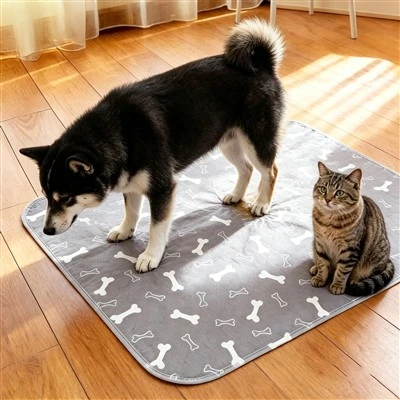
Let's start by defining what underpads and incontinence pads are. Underpads, also known as chux pads, are large, absorbent pads that are typically placed on top of a surface such as a bed, chair, or wheelchair. Their primary function is to protect the underlying surface from moisture, whether it's urine, sweat, or other bodily fluids. Underpads come in various sizes and absorbency levels, and they can be disposable or reusable.
On the other hand, incontinence pads are designed to be worn directly against the body, like a sanitary napkin. They are specifically engineered to absorb and contain urine and other bodily fluids, providing a high level of protection for individuals with incontinence. Incontinence pads are available in different shapes, sizes, and absorbency levels to suit different needs and lifestyles.
Design and Structure
One of the key differences between underpads and incontinence pads lies in their design and structure. Underpads are usually larger in size, with dimensions ranging from small rectangular pads to large, full - sized bed pads. They have a simple structure, typically consisting of an absorbent core sandwiched between a top layer that allows fluid to pass through easily and a bottom layer that is waterproof to prevent leakage onto the surface below.
In contrast, incontinence pads are smaller and more contoured to fit the body. They often have a more complex design, with multiple layers of absorbent materials and features such as odor control, wetness indicators, and leak - proof barriers. The shape of incontinence pads is designed to conform to the body's curves, providing a snug fit and better protection against leaks.
Usage and Application
The usage scenarios for underpads and incontinence pads also differ significantly. Underpads are mainly used for surface protection. They are ideal for use on beds, sofas, chairs, and wheelchairs, especially for individuals who are bedridden, have limited mobility, or are at risk of accidental spills. Underpads can be used in hospitals, nursing homes, and home care settings to keep the environment clean and dry.
For example, in a hospital setting, underpads are placed on the patient's bed to protect the mattress from urine and other bodily fluids. In a home care situation, they can be used on a favorite chair to prevent damage from spills. Reusable Underpads are a great option for those looking for an eco - friendly and cost - effective solution, as they can be washed and reused multiple times.
Incontinence pads, on the other hand, are worn by individuals with incontinence. They are suitable for both men and women and can be used during the day or at night. Incontinence pads are convenient for people who are mobile and need to maintain an active lifestyle. They can be worn under regular clothing without being noticeable, providing discreet protection.
Absorbency and Capacity
Absorbency is an important factor to consider when choosing between underpads and incontinence pads. Underpads generally have a high absorbency capacity, as they are designed to handle large amounts of fluid. They can absorb several ounces or even cups of urine, depending on their size and quality. This makes them suitable for situations where there is a high volume of fluid, such as overnight use or for individuals with heavy incontinence.
Incontinence pads also come in different absorbency levels, but they are typically designed to handle smaller amounts of urine. They are more focused on providing quick absorption and containment of urine to keep the skin dry and prevent leaks. For individuals with mild to moderate incontinence, a lower - absorbency incontinence pad may be sufficient, while those with severe incontinence may need a high - absorbency pad.
Comfort and Skin Health
Comfort and skin health are crucial considerations for both underpads and incontinence pads. Underpads are usually made of soft, breathable materials to ensure comfort for the user. However, since they are placed on a surface rather than worn directly on the body, the focus is more on protecting the surface than on direct skin contact.
Incontinence pads, on the other hand, are in direct contact with the skin for extended periods. Therefore, they need to be made of materials that are gentle on the skin and breathable to prevent skin irritation and rashes. Many modern incontinence pads are designed with features such as hypoallergenic materials, moisture - wicking layers, and skin - friendly adhesives to ensure maximum comfort and skin health.
Cost - effectiveness
Cost - effectiveness is another aspect to take into account. Disposable underpads can be relatively inexpensive, especially when purchased in bulk. However, if you use them frequently, the cost can add up over time. Waterproof Incontinence Underpads and Waterproof Underpads offer a more cost - effective solution in the long run, as they can be reused multiple times after washing.
Incontinence pads can vary widely in price depending on their brand, absorbency level, and features. Disposable incontinence pads are generally more expensive than disposable underpads, but they offer the convenience of easy disposal. Reusable incontinence pads are also available, which can be a more economical option for long - term use.
Conclusion
In summary, underpads and incontinence pads serve different purposes and have distinct features. Underpads are primarily for surface protection, with a large size, high absorbency, and a focus on keeping the environment clean. In contrast, incontinence pads are worn directly on the body, providing discreet protection for individuals with incontinence, with a more contoured design and a focus on skin comfort.
As a supplier of underpads, I understand the importance of choosing the right product for your specific needs. Whether you are a healthcare provider, a caregiver, or an individual dealing with incontinence, I can offer a wide range of high - quality underpads to meet your requirements. If you are interested in learning more about our products or would like to discuss your purchasing needs, please feel free to contact me. I'm here to help you make an informed decision and provide you with the best solutions for your incontinence management.
References
- Smith, J. (2020). Incontinence Management: A Guide to Products and Best Practices. Healthcare Publishing.
- Johnson, A. (2019). The Science of Absorbent Products. Journal of Medical Supplies Research, 15(2), 34 - 42.