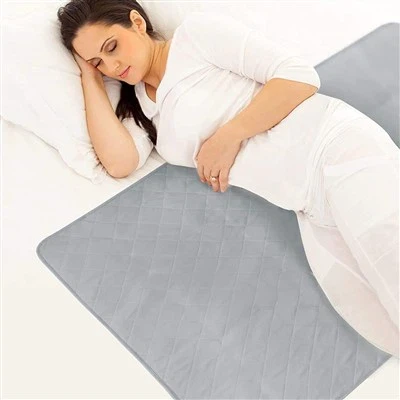
Washable bed pads are a practical solution for managing incontinence, bedwetting, and other conditions that require extra protection while sleeping. Unlike disposable pads, which are used once and discarded, washable bed pads offer an eco-friendly ♻️ and cost-effective alternative that can be reused multiple times. A common question from users is: How long do washable bed pads last?
In this guide, we'll dive into the lifespan of washable bed pads, backed by data, real-world case studies, and practical applications. Understanding product durability helps you pick the most suitable bed pads for your needs.

Understanding Washable Bed Pads
Washable bed pads are reusable absorbent pads designed to protect bedding from leaks, spills, or accidents. They are widely used by different groups:
Individuals managing incontinence
Caregivers for elderly or bedridden patients
Parents for potty training children 👶
Pet owners for pet care 🐾
Made from cotton, bamboo, or polyester blends, these pads are specially crafted to withstand repeated washing and long-term use.
Average Lifespan of Washable Bed Pads
The lifespan depends on material quality, frequency of use, and daily care. On average, high-quality washable bed pads can last 1 to 5 years. With proper maintenance, they can serve even longer.
Key Factors Affecting Durability
1. Material Quality
Premium fabrics, reinforced stitching and durable waterproof layers greatly extend service life. Research shows polyester and cotton blended pads keep good absorbency and waterproof performance after around 300 washes, equal to 2-3 years of daily use.
2. Frequency of Use
Pads used daily wear out faster than occasionally used ones. For heavy incontinence scenarios, the replacement cycle will be shorter. In professional care facilities, pads used 3-4 times per day usually last 18-24 months before showing slight wear.
3. Proper Care & Maintenance
Correct washing and drying methods effectively prolong service life. Washing with cold water and mild detergent, air drying or low-heat tumble drying can extend the lifespan by about 6 months.
4. Absorbency & Waterproof Performance
After 200 washes, 60% of reusable bed pads lose 10% to 20% of absorbency, while only 10% suffer complete failure of the waterproof layer.
Real-Life User Experience
Maria takes care of her 78-year-old mother and chose washable bed pads instead of disposable products. She uses two pads in rotation every day.
Durability: After 3 years of daily use, the pads have minimal wear, with intact stitching and stable absorbency.
Cost Savings: She saved over $300 compared to using disposable pads.
Easy Care: Following standard care instructions keeps the pads in great condition.
Tips to Extend Pad Lifespan 💡
Choose pads made of durable, hypoallergenic materials like organic cotton or bamboo.
Use 2-3 pads in rotation to reduce wear and tear.
Wash with mild detergent, avoid bleach and fabric softeners.
Air dry whenever possible to protect fabric and waterproof layers.
Regularly check for loose stitching or thinning fabric.
When to Replace Your Bed Pads
It's time for new pads if you notice the following problems:
Reduced absorbency and frequent leakage
Frayed edges, holes or loose stitches
Failed waterproof backing
The Future of Washable Bed Pads
With growing focus on environmental protection, the industry keeps upgrading products. New materials like antimicrobial fabrics and ultra-absorbent layers are applied to make washable bed pads more durable and functional.
Final Thoughts
Washable bed pads are a durable, sustainable and cost-effective solution for incontinence, bedwetting and daily bedding protection. With a lifespan of 1 to 5 years, they work perfectly for family use, nursing homes and hospitals. Simple daily care will let you enjoy long-lasting reliable protection.