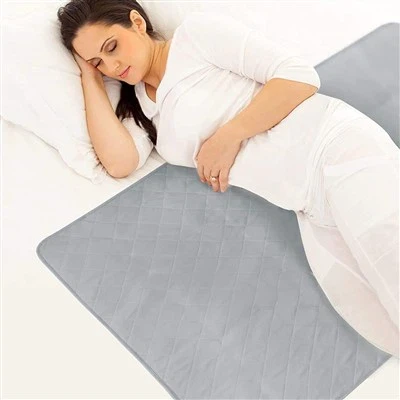
In today's world, where sustainability is no longer a choice but a necessity, every small change in our daily habits can contribute to a healthier planet. One significant yet often overlooked switch is moving from disposable to washable bed pads. This seemingly simple adjustment can have profound environmental, economic, and social benefits.

In this blog, we will comprehensively explore how reusable bed pads help reduce environmental impacts, conserve resources, and support a greener lifestyle.
1. Drastic Reduction of Landfill Waste
The Scale of the Problem
Each year, millions of disposable bed pads are discarded after a single use. In North America alone, healthcare institutions generate over 5 million tons of medical waste annually, a significant portion of which consists of single-use items like bed pads.
How Washable Bed Pads Help
Reusable waterproof bed pads are designed to withstand up to 300–500 wash cycles, depending on quality. Just one washable pad can replace hundreds of disposables over its lifespan, preventing hundreds of pounds of waste from ending up in landfills.
2. Conservation of Natural Resources
Resource Consumption of Disposable Pads
Manufacturing disposable incontinence products demands extensive natural resources:
Wood pulp for absorbent cores (deforestation)
Petroleum-based plastics for waterproof backing
Water and energy for production processes
Each disposable pad requires significant material input, most of which is immediately wasted after a single use.
The Reusable Alternative
Eco-friendly washable bed pads drastically lower the need for continuous raw material extraction. Fewer manufacturing cycles mean:
Less deforestation
Reduced fossil fuel consumption
Lower water usage
Case Study:
Producing 1,000 disposable pads consumes approximately 500 liters of water and 30 kg of plastic. A single reusable pad avoids this cumulative resource use entirely.
3. Significant Decrease in Carbon Emissions
Life Cycle Emissions of Disposable Pads
The environmental footprint of disposable products includes:
Emissions from raw material extraction
Energy-intensive manufacturing
Packaging
Transportation logistics
Waste management emissions after disposal
Lifecycle assessments show that disposable hygiene products can emit up to 3 times more CO₂ than reusable alternatives.
Environmental Profile of Washable Pads
While laundering washable pads does use water and energy, the overall carbon emissions are 70–90% lower than the cumulative emissions from the manufacture and disposal of hundreds of single-use pads.

Eco Tip:
Using cold water washes and line drying can reduce laundering emissions by up to 60%, making sustainable washable bed pads even greener.
4. Supporting a Circular Economy
Moving Beyond Single-Use
Disposable products belong to the linear economy ("take, make, dispose") model, which generates enormous waste and depletes natural resources.
In contrast, washable incontinence bed pads fit into a circular economy, emphasizing:
Product durability
Reuse
Waste minimization
Choosing durable, high-quality machine-washable bed pads actively supports industries designing products for longevity, recyclability, and minimal environmental harm.
5. Reducing Microplastic Pollution
Hidden Dangers of Disposable Products
Many disposable pads are made with synthetic fibers like polypropylene, which shed microplastics when broken down in landfills or during waste incineration.

Healthier Choices
Opting for organic cotton washable bed pads or hypoallergenic reusable bed pads:
Avoids synthetic materials
Reduces microplastic leakage
Provides a safer, skin-friendly surface for users
By switching, we protect both personal health and the broader ecosystems from microplastic contamination.
6. Economic and Environmental Synergy
Cost Comparison
While disposable pads may appear cheaper upfront, the ongoing monthly costs add up significantly. Over a five-year period, users can spend 5–8 times more on disposables compared to investing in high-quality washable bed pads.
Double Savings
Choosing reusable bed pads not only saves money but simultaneously reduces your carbon footprint and waste output. It's a win-win solution for families, caregivers, and institutions aiming for long-term sustainability.
7. Adoption by Healthcare Facilities
Institutional Sustainability Trends
Hospitals, nursing homes, and long-term care facilities are increasingly adopting sustainable washable bed pads as part of their broader green initiatives.
Institutions report:
Lower procurement costs
Decreased waste management expenses
Improved patient satisfaction with softer, more comfortable reusable pads
This institutional shift demonstrates that washable pads are not just an individual choice but a scalable solution for systemic environmental improvement.
Conclusion: Small Changes, Massive Impact
Switching from disposable to washable bed pads represents a small behavioral shift that leads to massive environmental gains. By adopting eco-friendly washable bed pads, individuals and institutions can:
Drastically reduce landfill waste
Conserve valuable natural resources
Lower carbon emissions
Minimize microplastic pollution
Save money over time
Support a healthier, more sustainable economy
The transition to reusable waterproof bed pads is a simple yet powerful way to make daily living more sustainable.
Start today-and make a real difference for our planet and future generations.