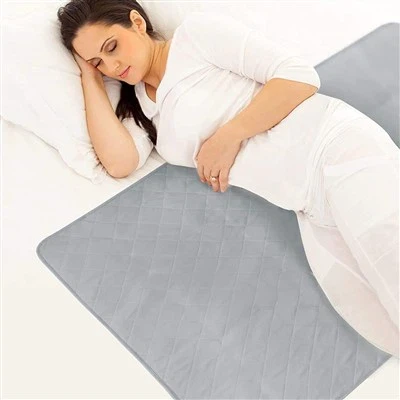
Managing incontinence effectively starts with choosing the right protective bedding. A washable reusable bed pad (also known as an incontinence underpad) is an essential, eco-friendly solution designed to protect mattresses from moisture and liquid damage while keeping users comfortable throughout the night.
With a wide variety of options on the market, understanding how these pads are constructed and how to evaluate absorbency levels will help you make the best decision for your home or care facility.
How Reusable Bed Pads Are Made
Unlike disposable pads, high-quality washable underpads feature a durable 3-layer quilted construction:
Top Fabric Layer: Provides surface softness and direct skin comfort.
Inner Soaker Layer: Traps and wicks away moisture from the body.
Vinyl Waterproof Backing: Creates an impenetrable barrier that stops urine from reaching the mattress.
Top Layer Fabrics: Which Material Is Best?
The top layer directly impacts pad lifespan, skin feel, and washability. Here is a comparison of the most common materials:
| Material Type | Composition | Best For / Key Benefits |
| Birdseye | 100% Cotton | Most economical; soft and natural, but has a shorter lifespan under frequent washing. |
| Ibex / Durablend | 80% Cotton / 20% Polyester | Highly durable cotton blend; holds up exceptionally well through repeated wash cycles. |
| Tricot | 100% Brushed Polyester | Ultra-soft synthetic texture; ideal for sensitive skin or when used directly against bare skin. |
Understanding Soaker Capacity: What Do the Ounces Mean?
When shopping, you will notice bed pads listed with 6 oz, 8 oz, or 10 oz poly/rayon soakers. A common misconception is that a "10 oz pad" holds only 10 ounces of fluid.
💡 What the Ounce Rating Really Means:
The ounce rating describes the weight of the soaker material per square yard, not the total fluid capacity. A heavier rating indicates a denser pad capable of trapping significantly more liquid.
Additionally, pay attention to the material blend: underpads with a higher percentage of rayon in the poly/rayon mix will absorb and hold more liquid overall.
How to Choose the Right Bed Pad for Your Needs
Before making a purchase, evaluate these three key factors:
Incontinence Level: For light leakage, a 6 oz soaker is sufficient. For heavy overnight protection, opt for an 8 oz or 10 oz heavy-duty soaker.
Laundering & Drying Costs: Heavier soakers hold more fluid, but they take longer to dry in machine dryer cycles, which can increase overall laundering expenses.
Change Frequency: Determine whether you plan to change the pad once per night or multiple times throughout the night to decide how many pads you need in rotation.